
Spinal Deformity Surgery
Living with a curved or imbalanced spine can mean constant back pain, an uneven posture, and a curve that keeps getting worse. Spinal deformity surgery realigns the affected vertebrae using rods, screws, and bone grafts — relieving pressure on the nerves, restoring a straighter posture, and stopping further progression.
At Capital Spine Institute, Dr. Avery L. Buchholz treats adult scoliosis, kyphosis, sagittal imbalance, and other complex spinal curves with a personalized, minimally invasive-first approach. Whether your deformity developed gradually or followed a prior surgery or injury, we'll build a treatment plan around your specific spine and goals.

Board Certified
Neurosurgeon

15+ Years
Experience

5000+
Procedures Performed
Get In Touch
Contact us today to schedule your consultation and take the first step toward relief.
This form is intended for scheduling purposes only and is not a HIPAA-compliant form. Please avoid sharing any sensitive medical information. By submitting this form, you agree to be contacted regarding your inquiry.
What is spinal deformity surgery?
Surgery for a spinal deformity is performed to correct the sideways (scoliosis) or hunchback (kyphosis) curve of the spine. As time passes these curves may compress on the nerves, affect your balance and make it uncomfortable to stand or walk.
To stabilize the affected area of your spine, Dr. Buchholz inserts screws and rods and fuses it to bone. Every stage of the procedure is directed by advanced imaging for precise correction. We at ChickenBone want to relieve your pain, return you to a more natural posture, protect your nerve pathways, and help you move easily through life.

30 Minutes

Same Day Procedure

General Anesthesia

2-6 Weeks Recovery
Who This Helps
What Conditions Does This Procedure Treat?
Spinal deformity surgery addresses curves and imbalances that haven't responded to nonsurgical care.
Adult Scoliosis
A sideways curve in the spine that can worsen with age, leading to pain and uneven posture.
Kyphosis
Excessive forward rounding of the upper back, often causing a stooped appearance and breathing difficulty in severe cases.
Sagittal Imbalance
When the spine leans too far forward, forcing you to compensate by bending your hips or knees just to stand upright.
Degenerative Spinal Deformity
Curvature that develops gradually from worn discs and joints, common in older adults.
Post-Traumatic Deformity
Curvature or instability caused by a prior spine injury or fracture that healed out of alignment.
Flatback Syndrome
Loss of the spine's normal curve, often after previous fusion surgery, leading to a hunched-forward posture.
TAKE THE NEXT STEP
YOUR SPINAL DEFORMITY DESERVES EXPERT CARE — NOT MORE UNCERTAINTY.
If scoliosis, kyphosis, or another spinal deformity is causing pain, discomfort, or mobility challenges, Capital Spine Institute can help. Schedule a consultation today to discuss advanced treatment and surgical options tailored to your needs.
WHY IT MATTERS
How the Procedure Works
01
Imaging & surgical planning
X-rays, and often CT or MRI scans, map the exact shape of your spine. This determines the safest approach — from the back, the side, or a combination of both.
02
General anesthesia
You're fully asleep and pain-free for the entire procedure.
03
Surgical approach
Dr. Buchholz accesses the affected vertebrae through the planned approach, with minimally invasive technique used whenever the deformity allows.
04
Curve correction
Screws and rods are placed along the curved section of spine and used to gradually realign it into a more natural position.
05
Bone graft & fusion
Bone graft material is packed between the vertebrae, encouraging them to fuse into one solid, stable segment over time.
06
Real-time nerve monitoring
Neuromonitoring tracks nerve signals throughout surgery, alerting the team to protect your spinal nerves at every step.
07
Hospital recovery — several days
You're monitored closely as anesthesia wears off. Most patients are up and walking within a day or two.
08
Long-term healing — 6 to 12 months
The fusion strengthens gradually. Many patients resume light activities within weeks, with a full return to normal activity over several months.
Benefits of Spinal Deformity Surgery
Pain relief
Reduces strain on muscles, joints, and nerves caused by an unbalanced spine.
Improved mobility
Makes walking and standing easier and less tiring.
Corrected alignment
Restores a straighter, more natural posture.
Reduced nerve compression
Relieves pressure that causes numbness, tingling, or weakness.
Halted curve progression
Stops a worsening curve in its tracks.
Better quality of life
Helps you return to the activities a painful, unbalanced spine keeps you from enjoying.
Symptoms That May Indicate You Need This Procedure
Back Pain
Persistent or worsening pain, especially with standing or walking.
Visible Curve or Posture Changes
A noticeable lean, hump, or unevenness in the shoulders or hips.
Balance Issues
Feeling unsteady or having to compensate to stay upright.
Numbness or Tingling
Sensations in the legs or feet from nerve compression.
Leg Weakness
Difficulty walking long distances or climbing stairs.
Curve Progression
A curve that keeps worsening despite bracing or physical therapy.

Why Choose Capital Spine Institute?
Dr. Avery L. Buchholz is a board-certified neurosurgeon with fellowship training in complex spine surgery, including spinal deformity correction. With over 15 years of experience and 5,000+ procedures performed, he combines advanced surgical technique with a personalized approach.
Board-certified neurosurgeon with fellowship spine training
Minimally invasive techniques used whenever appropriate
Personalized treatment plans built around your specific curve and goals
Advanced imaging and diagnostics guide every decision
Honest, patient-first conversations — surgery is recommended only when it's truly the right option
What to expect week by week
Recovery varies, but here's how most patients progress.
Same Day
Go home. Rest.
Procedure done. Mild soreness at the injection site is normal. Skip driving — you'll need a ride.
24–48 Hours
Soreness fades.
Site soreness clears in a day or two. Some patients notice early pain improvement starting here.
1 Week
You should feel a difference.
Most patients see a meaningful reduction in neck and arm pain as the steroid reaches full effect.
Weeks–Months
Continued improvement.
Relief can last weeks to months. A second injection or PT can extend it further if needed.
Expert Spine Surgeon
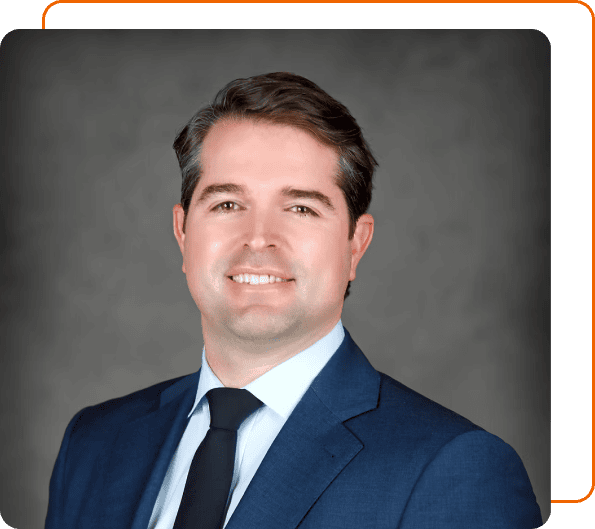
Dr. Avery L. Buchholz is a board-certified neurosurgeon with fellowship training in complex spine surgery. With over 15 years of experience and 5,000+ procedures performed, he specializes in both minimally invasive and complex surgical techniques.
His expertise spans the full spectrum of spine care, from non-surgical interventions to advanced reconstructive procedures, always prioritizing patient safety and optimal outcomes.
Frequently Asked Questions
Get answers to common questions about our practice and procedures
Am I eligible for surgery for spinal deformities?
You may benefit from spinal deformity surgery if you are experiencing progressive spinal deformity with chronic pain or other debilitating symptoms that have not responded to bracing, physical therapy or conservative treatments. Physical consultation and imaging studies will be needed to see if you qualify for surgery.
How long will it take to recover?
On average, patients can walk one or two days post-surgery. Once spinal fusion is performed, it can take 6-12 months for recovery depending on each patient’s condition; thus, this recovery process can take a long time. Patients might resume their high-intensity or demanding activities before the total recovery process is finished.
Is the surgery technique less invasive?
For smaller or more simple spinal deformities, less invasive techniques can be used. In the case of large or complex spinal deformities, the best and most effective way to achieve a long-term outcome is with an open surgical technique.
What are some side effects or complications?
In the case of more invasive surgical techniques, complications may include bleeding, infection, damage to neural structures, or difficulty due to supportive surgical devices. Some of these risks may be mitigated with surgical planning and nerve monitoring.
Our Locations
Serving patients across VA
Falls Church, VA
431 Park Ave, Falls Church, VA 22046
Open
Get In Touch
Contact us today to schedule your consultation and take the first step toward relief.

Address
6244 Little River Turnpike, Suite 101
Alexandria, VA 22312

Phone
FAX
(571) 250-5150


Office Hours
Monday - Saturday: 9:00 AM - 6:00 PM
Sunday: Closed
This form is intended for scheduling purposes only and is not a HIPAA-compliant form. Please avoid sharing any sensitive medical information.
By submitting this form, you agree to be contacted regarding your inquiry.
Follow Us