
Cervicogenic Headaches:What It Is, Symptoms & Treatment
A cervicogenic headache is head pain that originates in your neck. The pain can radiate from an injury or condition that affects your cervical spine, like an injury, arthritis, or a slipped disk. Physical therapy and medications treat these headaches, so you don’t have to live in pain.
Getting the right cervicogenic headache treatment starts with getting the diagnosis right. Dr. Buchholz evaluates the cervical source directly—not the headache symptom in isolation.

Board Certified
Neurosurgeon

15+ Years
Experience

5000+
Procedures Performed
Get In Touch
Contact us today to schedule your consultation and take the first step toward relief.
This form is intended for scheduling purposes only and is not a HIPAA-compliant form. Please avoid sharing any sensitive medical information. By submitting this form, you agree to be contacted regarding your inquiry.
What exactly is a cervicogenic headache?
A headache felt in the neck and back of the head is the cervicogenic headache. It originates from the joints, muscles, and/or nerves of the upper cervical spine, with pain felt above the neck.
The seven vertebrae of the cervical spine are connected to discs, facet joints, muscles, and nerve roots. Any component in that complex can cause pain. Once they start to feel it, patients don’t feel it in their neck but in their head, which is exactly why the diagnosis is missed for so long.
Many people get confused between a cervical spine headache and a migraine, as they share similar symptoms, such as pain in one eye. The difference is the origin. Migraines come from neurochemical changes in the brain. Cervicogenic headaches come from damaged or inflamed cervical structures. One responds to migraine medications. The other does not.
That distinction is what drives every decision in cervicogenic headache treatment. Treat the wrong thing, and nothing changes.

30 Minutes

Same Day Procedure

General Anesthesia

2-6 Weeks Recovery
Frequently seen signs
The symptoms vary depending on which cervical structure is involved, but a consistent set of patterns points toward a cervical origin. Common cervicogenic headache symptoms include the following.
One-sided head pain, same side every time
It starts at the base of the skull and spreads forward—it never switches sides.
Palpation over C2–C3 reproduces the headache
Direct pressure on the upper cervical joints recreates the familiar pain.
Reduced cervical range of motion
Measurably restricted rotation or flexion, worse on the headache side.
Neck movement triggers or worsens the headache
Turning or tilting reliably brings it on — an IHS diagnostic criterion.
The headache resolves with a cervical nerve block
The most definitive sign is that a migraine will never respond this way.
Deep neck flexor weakness
Measurable deficit in cervical stabilizers — absent in primary headache disorders.
Conditions Associated With Cervicogenic Headaches
Neck pain and headaches rarely exist in isolation. These cervical spine disorders are frequently the structural foundation underneath the headache pattern.

Cervical Disc Degeneration
As discs lose height in the upper cervical spine, load transfers onto the facet joints. That increased joint stress accelerates the arthritis that drives referred head pain.
Cervical Arthritis
Osteoarthritis of the cervical facet joints develops gradually, often from the fifth decade onward. Morning stiffness, neck aching, and recurring headache at the base of the skull are typical.
Facet Joint Disorders
Inflammation or capsular damage at the C2–C3 or C3–C4 level is the most common structural cause in confirmed cervicogenic headache cases. These joints are the primary target for diagnostic injections.
Occipital Nerve Irritation
The occipital nerves run from the upper cervical spine through the scalp. Compression or irritation produces burning or shooting pain from the neck up over the back of the skull. An occipital nerve block often provides significant relief.
Post-Traumatic Neck Injuries
Ligament damage and subtle instability after whiplash may not appear on standard X-ray but can drive years of persistent headache caused by neck pain that goes undiagnosed.
Myofascial Trigger Points
Tight bands in the suboccipital and upper trapezius muscles refer pain into the head in patterns that mimic a tension headache. They frequently coexist with cervical facet joint pain and compound the overall headache burden.
How It Develops

Cervical Irritation
Injury, arthritis, or chronic overload irritates a joint, disc, or nerve in the upper cervical spine. That structure begins generating pain signals.

Referred Pathway
The upper cervical nerves converge with the trigeminal nerve, the main sensory nerve serving the head. Pain from the neck travels along those shared circuits and registers in the head.

Headache Pattern Forms
Referred pain settles into a recognizable location: starting at the base of the skull and spreading forward, usually on one side. Neck stiffness and headache present together.

Cycle Repeats
Without addressing the cervical source, chronic headaches from neck pain recur. The underlying problem doesn't resolve on its own—it needs to be identified and treated directly.
What Causes Cervicogenic Headaches?
Every headache caused by neck pain has a structural driver. These are the most common cervicogenic headache causes evaluated at Capital Spine & Pain Institute.
Cervical Facet Joint Pain
The C2–C3 facet joint is the most frequently implicated source. Arthritis, prior trauma, or repetitive stress causes inflammation that refers pain directly to the head and base of the skull.
Disc Problems in the Neck
Herniated or degenerating cervical discs can compress adjacent nerve roots, producing both local neck aching and referred headaches. Part of the wider spectrum of cervical spine disorders.
Whiplash & Trauma
Sudden flexion-extension from a car accident, fall, or sports impact can damage cervical joints and ligaments. Cervicogenic headaches sometimes don't appear until weeks or months after the initial injury.
Cervical Arthritis
Osteoarthritis narrows the facet joint spaces and inflames the surrounding capsule. In middle-aged and older patients, this is a common and underdiagnosed source of headache caused by neck pain.
Poor Posture
Forward head posture shifts the head's center of gravity forward, multiplying the load through the cervical facet joints and upper neck muscles. Over months and years, that stress turns into neck pain and headaches.
Sports Injuries
Repeated cervical loading in cycling, contact sports, or overhead activities—or a single acute impact—can trigger cervical facet joint pain that consistently refers to the head.
Getting Answers

How We Diagnose Cervicogenic Headaches
Cervicogenic headache diagnosis is clinical first. Imaging can show structural abnormalities, but no scan alone confirms a cervical headache — the history and physical exam do the heavy lifting.
Dr. Avery L. Buchholz takes a detailed headache history at the first visit: where the pain starts, what movement triggers it, how long it's been going on, and what treatments have already been tried. A hands-on cervical assessment reproduces the headache pattern and identifies which structures are likely involved. He personally reviews every imaging study before any recommendation is made—not a radiologist's report, the actual imaging.
X-Rays
Alignment, disc height, joint space, and degenerative changes in the cervical spine.
MRI
Disc, nerve root, and facet joint detail. Shows the soft tissue source of the headache.
Diagnostic Injection
A cervical medial branch block confirms the pain source. If it stops the headache, that's your diagnosis.
CT Scan
Detailed bone anatomy. Used when bony pathology or surgical planning is needed.
When Should You See a Specialist?
Many patients with cervicogenic headaches spend months on migraine medications before anyone evaluates their neck. By then, the headache pattern is entrenched, and the underlying cervical problem has often progressed.
These signs indicate the cervical spine needs direct evaluation — not another headache prescription. See a spine specialist for headaches if you're experiencing:
⚠️ Signs That Need Attention
Headaches consistently start at the base of the skull or upper neck
One-sided headache and neck pain are always on the same side
Neck movements trigger or worsen the headache every time
Headaches that appeared after whiplash or a neck injury
Neck stiffness and headache always arrive together
Standard migraine medications give little or no relief
Chronic headaches from neck pain lasting more than three months
Headaches with arm pain, numbness, or tingling
🚨 Emergency Warning
Seek emergency care immediately if a headache is sudden and the worst of your life or if it comes with fever, vision loss, or confusion. These are not cervicogenic—go to the ER.
Many patients referred to Capital Spine & Pain Institute from across Northern Virginia, Maryland, and DC have already seen neurologists without a clear answer. In most cases, the cervical spine was never formally evaluated.
Cervicogenic Headache Treatment Options
Treatment is staged. We start with the least invasive options and advance only when the evidence justifies it — not by default.
The goal at every stage is to address headache pain management by treating the cervical source: reducing inflammation, restoring movement, and interrupting the pain pathway that's driving the headaches.
Most patients improve meaningfully with non-surgical headache treatment before any procedure is needed.
Conservative Care
Conservative Care
Initial non-surgical headache treatment includes anti-inflammatories, activity modification, and cervical rest to reduce acute inflammation and nerve irritation before progressing to more active treatment.
Physical Therapy
Cervical manual therapy, joint mobilization, and deep neck flexor strengthening target the specific structures generating the headache. The emphasis is on treating the cervical source, not masking the symptom.
Postural Correction
Forward head posture continuously overloads the cervical facet joints. Ergonomic adjustments and movement retraining reduce that daily mechanical burden and break the headache trigger cycle.
Medication Management
Anti-inflammatories and muscle relaxants manage acute flares. For high-frequency cases, preventive medication may be appropriate in the short term. The long-term goal is to reduce pain medication reliance as the cervical source improves.
Activity Modification
Identifying the daily habits loading the upper cervical spine—extended screen time, driving posture, and sleep position—and adjusting them to reduce the mechanical stress driving neck pain and headaches.
Advanced & Minimally Invasive
Cervical Medial Branch Block
Local anesthetic is delivered to the medial branch nerves supplying the cervical facet joints. It functions as both a diagnostic test and a treatment—if the headache resolves, the diagnosis is confirmed, and the path forward is clear.
Occipital Nerve Block
Targets the greater or lesser occipital nerves running from the upper cervical spine into the scalp. Well-suited to patients with headaches at the base of the skull and occipital nerve irritation. Relief typically lasts weeks to months, depending on the underlying pathology.
Cervical Facet Injections
Corticosteroid injected directly into the affected cervical facet joint reduces capsular inflammation. It is most effective when arthritis is the primary driver of headache caused by neck pain.
Radiofrequency Ablation
Heat energy disrupts the medial branch nerves carrying pain from the cervical facet joints. Relief generally lasts nine to eighteen months — longer than injections. Reserved for patients who first responded to a medial branch block, confirming the target is correct.
Trigger Point Injections
Addresses tight muscle bands in the suboccipital and upper trapezius that contribute to chronic headaches from neck pain. Quick in-office procedure. Most effective when combined with physical therapy to prevent recurrence.
REHABILITATION
What to Expect
With a targeted cervicogenic headache treatment plan, most patients notice meaningful improvement within the first few weeks. How quickly it depends on the severity of the underlying cervical pathology and which treatments are involved.
Most patients can maintain their regular daily activities throughout treatment. There's no prolonged downtime with conservative care or injection-based procedures.
After injections or radiofrequency ablation, structured physical therapy reinforces the result. Strengthening the deep cervical stabilizers reduces the mechanical load on the joints that were generating the headaches and lowers the risk of recurrence.

Why Choose Capital Spine & Pain Institute
Accurate diagnosis first. Conservative treatment where appropriate. Procedural intervention only when it's genuinely the right option for that patient's cervical pathology—that's the approach to cervicogenic headache treatment at Capital Spine & Pain Institute.

Fellowship-Trained Specialist
Dr. Buchholz completed fellowship training in complex spine surgery. Cervicogenic headaches are a cervical spine condition—evaluating and treating them falls squarely within his core specialty.
Board-Certified Neurosurgeon
Over 15 years in practice with 5,000+ procedures performed. Patients get a spine specialist for headache evaluation from the first visit—not after a long referral chain.
Personal Imaging Review
Dr. Buchholz reviews every MRI, CT, and X-ray himself before making any recommendation. Clinical interpretation, not a summary report.
Minimally Invasive First
Cervical medial branch block, occipital nerve block, radiofrequency ablation, and other minimally invasive spine treatment options are the default before anything surgical is discussed.
No Template Plans
The treatment plan is built around your cervical imaging, your headache pattern, and your history — not a standard protocol applied to everyone who walks in with neck pain.
Ready to Find the Source of Your Headaches?
If your headaches keep starting in your neck and standard treatments aren't working, a cervical spine evaluation is the right next step.
What to expect week by week
Recovery varies, but here's how most patients progress.
Same Day
Go home. Rest.
Procedure done. Mild soreness at the injection site is normal. Skip driving — you'll need a ride.
24–48 Hours
Soreness fades.
Site soreness clears in a day or two. Some patients notice early pain improvement starting here.
1 Week
You should feel a difference.
Most patients see a meaningful reduction in neck and arm pain as the steroid reaches full effect.
Weeks–Months
Continued improvement.
Relief can last weeks to months. A second injection or PT can extend it further if needed.
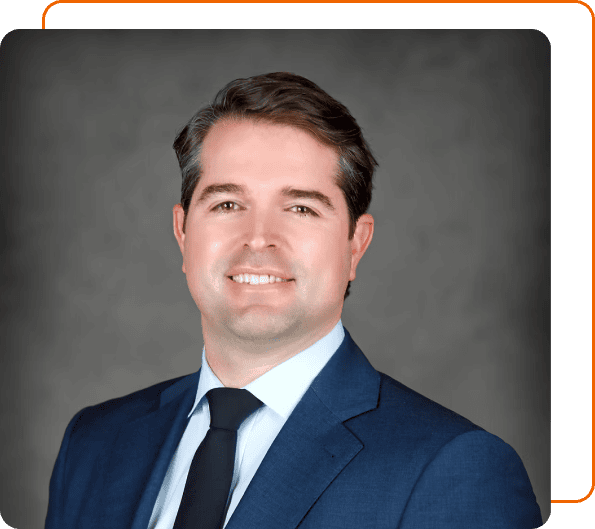
Expert Spine Surgeon
Dr. Avery L. Buchholz is a board-certified neurosurgeon with fellowship training in complex spine surgery. With over 15 years of experience and 5,000+ procedures performed, he specializes in both minimally invasive and complex surgical techniques.
His expertise spans the full spectrum of spine care, from non-surgical interventions to advanced reconstructive procedures, always prioritizing patient safety and optimal outcomes.
Frequently Asked Questions
Get answers to common questions about our practice and procedures
What is a cervicogenic headache?
Your neck is the problem, not your head — the pain just shows up there.
Can neck problems cause headaches?
Yes. Neck joints and nerves connect directly to the head—damage one, and you feel it in both.
How are cervicogenic headaches diagnosed?
We reproduce the headache by moving your neck, check imaging, and then block the suspected nerve—if the headache stops, that's your answer.
What is the best cervicogenic headache treatment?
Fix the neck structure that's causing it. That might be physiotherapy, an injection, or ablation—whatever the source needs.
Can physical therapy help cervicogenic headaches?
For most patients, yes — the right neck exercises and manual work reduce headaches without needing a single injection.
Are cervicogenic headaches permanent?
Not if the cervical source is found and treated. Most patients who've had them for years finally get relief once the neck is properly assessed.
Can cervical spine problems mimic migraines?
All the time — same pain, same nausea, same light sensitivity. The difference is your neck starts it, and migraine tablets won't touch it.
What sets Capital Spine & Pain Institute apart?
Dr. Buchholz has seen hundreds of patients written off as migraine sufferers whose neck was never properly checked. That's where we start.
Our Locations
Serving patients across VA
Falls Church, VA
431 Park Ave, Falls Church, VA 22046
Open
Get In Touch
Contact us today to schedule your consultation and take the first step toward relief.

Address
6244 Little River Turnpike, Suite 101
Alexandria, VA 22312

Phone
FAX
(571) 250-5150


Office Hours
Monday - Saturday: 9:00 AM - 6:00 PM
Sunday: Closed
This form is intended for scheduling purposes only and is not a HIPAA-compliant form. Please avoid sharing any sensitive medical information.
By submitting this form, you agree to be contacted regarding your inquiry.
Follow Us