
Spine Surgery and Spine Procedures in Northern Virginia
Minimally Invasive Spine Surgery Precise, Proven, and Personalized to You.
When back or neck pain starts affecting your daily life, the right diagnosis and the right treatment plan make all the difference. Spine surgeries are complex operations because they work around the delicate structure of your spinal column and the sensitive nerves that exit your spinal cord. You need top spine surgeons to produce the best results, which eliminate your back pain and other symptoms. Rely on Capital Spine and Pain Institute in Northern Virginia, where the best spine specialists offer their services.

Board Certified
Neurosurgeon

15+ Years
Experience

5000+
Procedures Performed
Get In Touch
Contact us today to schedule your consultation and take the first step toward relief.
This form is intended for scheduling purposes only and is not a HIPAA-compliant form. Please avoid sharing any sensitive medical information. By submitting this form, you agree to be contacted regarding your inquiry.
What Is Spine Surgery?
Spine surgery covers a wide range of procedures designed to relieve pain, restore function, and correct structural problems in the neck or back. It's not a first step but when conservative care hasn't worked, the right spine procedure can deliver lasting relief that medications and injections simply can't.
Modern spine surgery has changed significantly. Many procedures that once required large incisions and long hospital stays can now be performed through small incisions using live imaging guidance with patients going home the same day.
What’s the Importance of Spine Procedures?
Back pain is the second most common cause of disability. If you struggle with chronic back pain, your doctor may opt for a spinal procedure. Surgery is an alternative to conservative treatment for spinal conditions. The best spinal surgeons perform these advanced surgical procedures to restore your spine functions and ease severe back pain. Spinal doctors use the latest equipment for diagnosis. If other procedures fail, spinal surgery becomes a treatment option. At Capital Spine & Pain Institute in Northern Virginia, experienced board-certified spinal surgeons have the skills to diagnose and treat a broad range of spine abnormalities.
Spine Conditions We Treat
We treat the full range of spine conditions from herniated discs and sciatica to spinal stenosis, spondylolisthesis, degenerative disc disease, and cervical myelopathy. [Visit our Conditions page →] to learn more about your specific diagnosis.
What Are Some Common Spinal Procedures?
Spinal surgeons treat specific spinal conditions with common, targeted procedures, such as:
ACDF (Neck Surgery)
Total Disc Replacement
Lumbar Disc Replacement
Lumbar Laminectomy
Lumbar Laminectomy with Fusion
SI Joint Fusion
ALIF (Fusion from the Front)
TLIF (Fusion from the Back & Side)
Additionally, spinal fusion allows your spinal surgeon to join two or more vertebrae to treat a range of spinal problems. In this procedure, your spinal doctor first replaces a damaged disc with a bone graft to encourage two bones to grow together over time.

30 Minutes

Same Day Procedure

General Anesthesia

2-6 Weeks Recovery
How Spine Surgery Works
Steps vary by procedure this gives you a general sense of what to expect.
01
Evaluation and Planning
Your imaging, medical history, and previous treatments are reviewed to confirm surgery is appropriate and identify the best approach for your anatomy.
02
Pre-Operative Preparation
You'll receive clear instructions on fasting, medications, and what to bring. Most procedures are outpatient arrange for a driver.
03
Anesthesia
Depending on the procedure, you'll receive general anesthesia or light sedation. You're monitored and comfortable throughout.
04
Surgery
Guided by fluoroscopic (live X-ray) imaging, the procedure is performed with precision. Minimally invasive spine surgery typically takes 1–2 hours.
05
Recovery Room
After surgery, you'll rest briefly under close monitoring before being cleared to go home or moved to a recovery room if an overnight stay is needed.
06
Back to Your Life
Recovery timelines vary. Many minimally invasive patients return to light activity within days. Fusion surgeries take longer, but the results are built to last.
Who Is a Good Candidate for Spine Surgery?
Surgery isn't the first answer, but it shouldn't be the last resort either. You may be a good candidate if:
Conservative care hasn't helped
If physical therapy, medications, and injections haven't provided enough relief after 6–12 weeks, spine surgery becomes a serious option.
Symptoms are getting worse
Progressive weakness, worsening numbness, or loss of bladder/bowel control may signal nerve damage that requires more urgent attention.
Imaging confirms a structural cause
There should be a clear structural explanation—a herniated disc, bone spur, or unstable segment that matches your symptoms.
You have realistic expectations
Spine surgery works best for arm or leg pain caused by nerve compression. It's less predictable for isolated back or neck pain without a clear nerve component.
What to Expect: Before, During and After
Before Surgery
You'll have a full consultation with a review of your imaging. Questions about the procedure, recovery, risks, and alternatives are all addressed before anything is scheduled.
Immediately After
As anesthesia wears off, mild discomfort at the incision site is normal and well-managed with medication. Most outpatient patients are home within a few hours.
First 1–2 Weeks
Activity increases gradually. Many patients walk the same day. Your care team will give you a clear plan for driving restrictions and returning to activity.
Weeks 3–6 and Beyond
Most patients see significant improvement — especially in nerve-related symptoms — within the first few weeks. Fusion patients continue to improve over 3–6 months as the fusion sets and surrounding muscles rebuild.

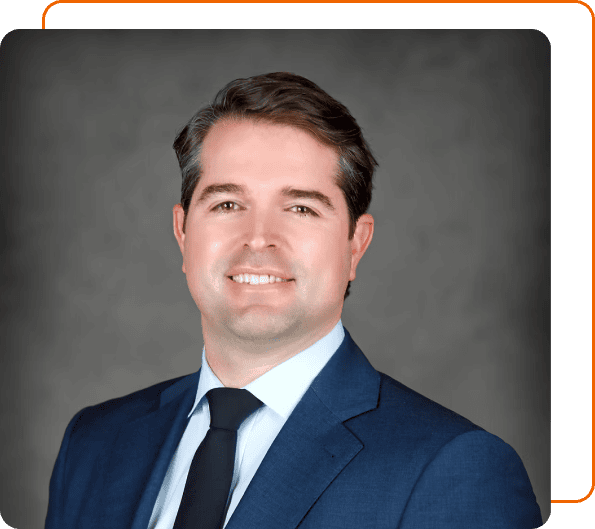
Expert Spine Surgeon
Dr. Avery L. Buchholz is a board-certified neurosurgeon with fellowship training in complex spine surgery. With over 15 years of experience and 5,000+ procedures performed, he specializes in both minimally invasive and complex surgical techniques.
His expertise spans the full spectrum of spine care, from non-surgical interventions to advanced reconstructive procedures, always prioritizing patient safety and optimal outcomes.
Frequently Asked Questions
Get answers to common questions about our practice and procedures
How do I know if I need spine surgery?
If conservative treatments haven't worked after 6–12 weeks and imaging confirms a structural cause, surgery is worth discussing.
Will I need to stay overnight?
Most spine procedures are outpatient — you go home the same day. Complex multi-level fusions may require one overnight stay.
How long is recovery?
A microdiscectomy may have you back to a desk job within a week. A spinal fusion typically takes 4–6 weeks before light work and several months for full activity.
What are the risks?
All surgery carries risks—infection, bleeding, and nerve injury. Your surgeon will walk through the risks specific to your procedure versus the risk of leaving the problem untreated.
How does open spine surgery differ from minimally invasive spine surgery?
Minimally invasive spine surgery is surgery that achieves the same endpoints through live imaging and smaller incisions. This results in less disruption of the surrounding tissue, faster recovery times, and a decreased risk of infection.
Our Locations
Serving patients across VA
Falls Church, VA
431 Park Ave, Falls Church, VA 22046
Open
Get In Touch
Contact us today to schedule your consultation and take the first step toward relief.

Address
6244 Little River Turnpike, Suite 101
Alexandria, VA 22312

Phone
FAX
(571) 250-5150


Office Hours
Monday - Saturday: 9:00 AM - 6:00 PM
Sunday: Closed
This form is intended for scheduling purposes only and is not a HIPAA-compliant form. Please avoid sharing any sensitive medical information.
By submitting this form, you agree to be contacted regarding your inquiry.
Follow Us