
HERNIATED DISC
Condition
A herniated disc could be the reason for your ongoing back pain or nerve pain radiating down your arm or leg.
Timely diagnosis and suitable therapy can significantly help tame the symptoms of the disease.

Board Certified
Neurosurgeon

15+ Years
Experience

5000+
Procedures Performed
Get In Touch
Contact us today to schedule your consultation and take the first step toward relief.
This form is intended for scheduling purposes only and is not a HIPAA-compliant form. Please avoid sharing any sensitive medical information. By submitting this form, you agree to be contacted regarding your inquiry.
What exactly is a Herniated Disc?
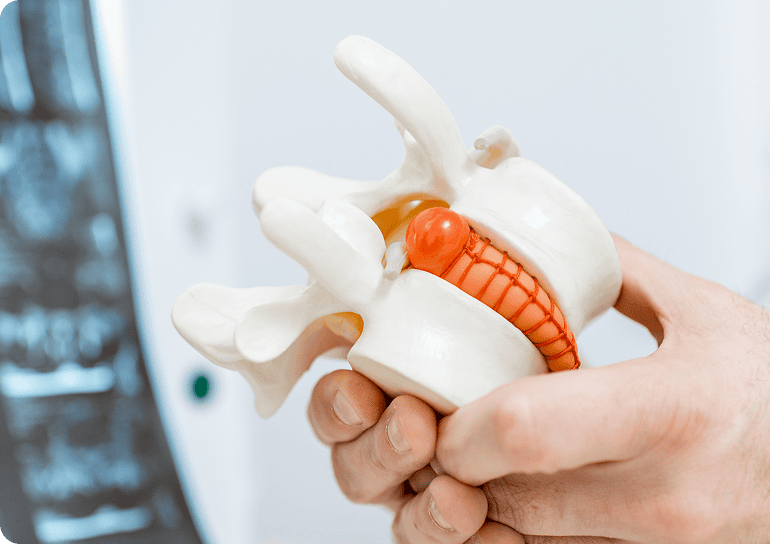
A herniated disc happens when the inner area of a disc in your spine pushes out through the outer layer.
A disc's interior material may push outward and irritate nerves or compress them. Can lead to a plethora of symptoms. Discs are pads that are located between the bones of your spine and provide cushion. They assist in absorbing the movements and pressure on spine. The disc may crack.
While this disorder often strikes the lower back, it's not uncommon for it to occur in the neck region too.

Minimally Invasive

Advanced Technology

Same-Day Procedures

2-6 Weeks Recovery
Frequently seen signs
Depending on where it appears and how much tissue is affected, the symptoms may include the following.
Low Back or Neck Pain
Pain localized in the spine, often worsening with movement
Numbness or Tingling
Loss of sensation or pins-and-needles feeling
Increased Pain While Sitting
Discomfort that worsens with prolonged sitting or bending
Radiating Pain
Pain that travels into the arms or legs due to nerve irritation
Muscle Weakness
Reduced strength in affected areas
How It Develops

Disc Weakening
The disc loses its flexibility and becomes more prone to injury.

Repetitive Pressure
Frequent bending, lifting, or long-term strain can put pressure on the discs and weaken their outer layer.

Disc Bulging or Rupture
As the disc weakens, the inner material may push outward or break through the outer layer.

Nerve Irritation
When the disc presses on nearby nerves, it can cause pain, numbness, tingling, or weakness.
Take the First Step Toward Relief
Get expert advice based on your condition by visiting today.
How It Is Treated
Every herniated disc is treated progressively, starting with the least invasive options and advancing only when necessary.
We focus on relieving pain, restoring movement, and addressing the root cause of the condition.
Over 90% of herniated disc cases don't require surgery.

Conservative Care
We begin with non-surgical treatment, including medication, rest, and activity adjustments to reduce inflammation and discomfort.

Guided Rehabilitation
Physical therapy and targeted exercises help restore mobility, strengthen the spine, and support long-term recovery.

Minimally Invasive Treatment
If symptoms persist, targeted procedures may be used to relieve nerve compression and improve function without major surgery.

Surgical Treatment
In more advanced cases, surgery may be recommended to remove the affected portion of the disc and fully relieve pressure on the nerves.
Related Treatments

Microdiscectomy
Microdiscectomy refers to a minimally invasive surgical technique designed to relieve the compression of nerve roots in the spine. This compression typically arises from conditions such as a herniated (slipped) disc or bone spur, resulting in the growth and formation of bone. During the procedure, a surgeon utilizes a microscope to perform the operation through a small incision, providing significant access to the surgical area.
Microdiscectomy Benefits:
Minimal risk of complications:
Being a minimally invasive procedure, the chances of infections and surgical complications are lower.
Alleviates pressure on the nerve:
The ultimate goal of the procedure is to relieve nerve compression, enabling the regaining of feeling and sensory in the pressure-affected region.
Simplicity and limited healing time:
Referring to the straightforwardness of the surgery, the healing period is typically short, requiring only a small incision.
Chiropractic Decompression
Non-surgical spinal decompression therapy to relieve pressure on discs and nerves.
Injections for Pain Management
Targeted injection therapy to reduce inflammation and provide pain relief.
Rehabilitation
With the right treatment plan, many patients start to feel better within weeks.
Depending on the treatment type and severity of the condition, the recovery time can vary, however, most patients can resume their normal day-to-day activities.

Expert Spine Surgeon
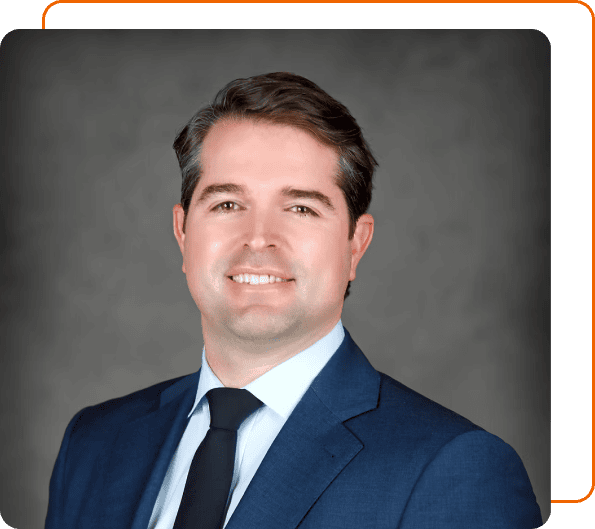
Dr. Avery L. Buchholz is a board-certified neurosurgeon with fellowship training in complex spine surgery. With over 15 years of experience and 5,000+ procedures performed, he specializes in both minimally invasive and complex surgical techniques.
His expertise spans the full spectrum of spine care, from non-surgical interventions to advanced reconstructive procedures, always prioritizing patient safety and optimal outcomes.
Board-Certified Neurosurgeon
Advanced training in complex spine surgery
5,000+ procedures performed
Minimally invasive & advanced surgical specialist
Our Locations
Serving patients across VA
Falls Church, VA
431 Park Ave, Falls Church, VA 22046
Open
Get In Touch
Contact us today to schedule your consultation and take the first step toward relief.

Address
6244 Little River Turnpike, Suite 101
Alexandria, VA 22312

Phone
FAX
(571) 250-5150


Office Hours
Monday - Saturday: 9:00 AM - 6:00 PM
Sunday: Closed
This form is intended for scheduling purposes only and is not a HIPAA-compliant form. Please avoid sharing any sensitive medical information.
By submitting this form, you agree to be contacted regarding your inquiry.
Follow Us