
Kyphoplasty:
Relief for Spinal Compression Fractures in Minutes, Not Months
If a sudden, sharp pain in your back showed up after a fall, a hard cough, or seemingly out of nowhere and it hasn't let up since you may be dealing with a compression fracture. Kyphoplasty is a minimally invasive way to fix that fracture from the inside, often in about 15 minutes. You go home the same day.

Board Certified
Neurosurgeon

15+ Years
Experience

5000+
Procedures Performed
Get In Touch
Contact us today to schedule your consultation and take the first step toward relief.
Your information is kept strictly confidential in accordance with HIPAA.
What Is Kyphoplasty?
Compression fractures don't always announce themselves the way a broken arm does. Sometimes it's a gradual loss of height, a stooped posture that creeps in over months, or back pain that started after something minor — bending over, a small fall, even a sneeze — and just never went away. For a lot of patients, especially those with osteoporosis, that's exactly how a spinal compression fracture shows up.
Here's how we explain it to patients who come into our office asking what kyphoplasty actually involves:
This is a minimally invasive procedure used to treat compression fractures in the spine, often caused by osteoporosis or trauma. These fractures can lead to significant back pain and loss of height in the spine. During the procedure, a small balloon is inserted into the fractured bone to restore height, and then medical cement is placed to stabilize the bone. It is performed using imaging guidance and is typically completed as an outpatient procedure. The goal is to stabilize the fracture, reduce pain, and improve mobility. The procedure takes approximately 15 minutes and you go home the same day. Patients typically return to normal activities within a few days.
It's not surgery in the traditional sense there's no opening up the back, no large incision, no extended hospital stay. A small needle is guided into the vertebra using live imaging, a balloon restores some of the lost height, and cement locks it in place once the balloon is removed. That cement hardens within minutes and gives the bone the support it lost.

15 Minutes

Same Day Procedure

Outpatient, Imaging-Guided

A Few Days Recovery
Who Does This Procedure Help?
Kyphoplasty works best when there's an actual fracture causing the pain — not just general back soreness. These are the situations we see most often in patients who come to us for this treatment.
Osteoporotic Compression Fractures
The most common reason patients end up needing kyphoplasty. As bone density drops with age, the vertebrae become fragile enough that even everyday movements bending, lifting a bag of groceries, a minor stumble can cause a fracture.
Loss of Height or Stooped Posture
When several vertebrae compress over time, it can change your posture and even your height. Addressing fractures early, before too much collapse occurs, gives the procedure more to work with.
Fractures from Cancer-Related Bone Weakening
Tumors that weaken vertebral bone whether from metastatic disease or conditions like multiple myeloma can also lead to compression fractures that respond well to kyphoplasty.
Traumatic Vertebral Fractures
A fall, a car accident, or a sports injury can fracture a vertebra even in someone without underlying bone disease. When the fracture is causing pain and the bone alignment is poor, kyphoplasty can restore height and stabilize it.
Pain That Worsens with Standing or Walking
Many patients describe a sharp, localized pain that gets noticeably worse when upright and eases when lying down. That pattern is fairly typical of an unstable compression fracture.
Fractures Not Improving with Rest or Bracing
Some smaller fractures heal on their own with time and a brace. When pain persists past a few weeks despite conservative care, that's usually when kyphoplasty becomes the more practical next step.
What Makes Us Different
Patients come to us because we take the time to confirm a fracture is actually driving the pain before recommending a procedure for it.
A Neurosurgeon Performing Your Procedure
Dr. Buchholz is a fellowship-trained, board-certified neurosurgeon. Kyphoplasty is a precise procedure, and having it done by someone with deep surgical training on the spine matters when it comes to outcomes.
Imaging-Guided on Every Case
We use live imaging throughout the procedure, from needle placement to cement delivery. That level of visualization is what allows for accurate, consistent results.
We Confirm the Fracture First
Not every case of back pain is a compression fracture, and not every compression fracture needs kyphoplasty. We review your imaging and your history carefully before recommending the procedure.
Conservative Care When It's Appropriate
f a brace and a short period of rest is genuinely the better option for your fracture, we'll say so. We don't default to a procedure when it isn't the right fit.
Two Offices in Northern Virginia
Falls Church and Alexandria — both easy to reach without driving into DC. Most patients are in and out the same morning.
Most Insurance Plans Accepted
We work with most major insurers and offer transparent cash-pay pricing. Our team will walk you through coverage before you commit to anything.
Ready to find out if disc replacement is right for your neck?
Schedule a consultation with Dr. Buchholz — a Northern Virginia cervical spine specialist. He’ll review your imaging and give you a straight answer. No runaround.
What Kyphoplasty Can Do for You
For patients who've been told to "just rest it" or have tried a back brace without much relief, this is usually the next conversation worth having.
It Treats the Fracture, Not Just the Symptom
Pain medication and bracing can take the edge off, but they don't fix a collapsed vertebra. Kyphoplasty restores height to the bone and stabilizes it directly, addressing the actual structural problem.
Not Open Surgery
There's no large incision, no cutting through muscle, no extended hospital recovery. The instruments are guided through a small puncture using imaging that's the entire access point.
Fast Procedure, Fast Turnaround
The procedure itself takes about 15 minutes per fracture level. You're in, treated, monitored briefly, and home the same day. Most patients are back to normal day-to-day activities within a few days.
Guided by Live Imaging the Entire Time
We use fluoroscopic imaging throughout the procedure to confirm exact needle placement and to watch the cement as it's introduced, which keeps the process precise and controlled.
Often Brings Rapid Pain Relief
Because the procedure stabilizes the actual fracture, many patients notice a meaningful drop in pain within the first day or two — a different experience than waiting weeks for a fracture to heal on its own.
Helps Prevent Further Collapse
An untreated compression fracture can continue to settle over time, sometimes affecting posture and breathing mechanics in the long run. Stabilizing it early helps protect against that progression.
What Recovery Looks Like
Every patient heals a little differently, but here's roughly what the days following the procedure tend to look like.
Day of Procedure
Go Home and Rest You'll leave the same day. Have someone available to drive you home. Some soreness at the access site is normal and typically mild.
24–48 Hours
Gradual Return to Light Activity Most patients notice an improvement in pain within the first day or two as the cement fully hardens and stabilizes the bone. Walking is encouraged; heavy lifting and bending should wait.
3–7 Days
Back to Most Normal Activities Many patients return to their usual day-to-day routine within this window. We'll give you specific guidance based on your fracture and overall bone health.
Weeks 2–6
Strengthening and Bone Health Once the fracture is stabilized, attention often shifts to addressing the underlying cause particularly bone density, if osteoporosis was a factor so future fractures are less likely.

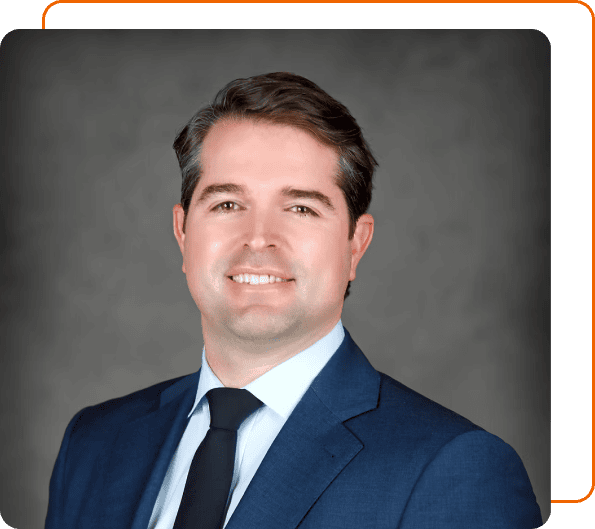
Expert Spine Surgeon
Dr. Avery L. Buchholz is a board-certified neurosurgeon with fellowship training in complex spine surgery. With over 15 years of experience and 5,000+ procedures performed, he specializes in both minimally invasive and complex surgical techniques.
His expertise spans the full spectrum of spine care, from non-surgical interventions to advanced reconstructive procedures, always prioritizing patient safety and optimal outcomes.
Frequently Asked Questions
Get answers to common questions about our practice and procedures
Will I feel pain during the procedure?
They will give you light anesthesia so that you will not feel pain during the procedure itself. You remain comfortable the entire time, and most patients say it’s far less involved than they expect going in.
When will I feel better?
Many patients feel a genuine difference in their pain levels after the first day or two, once the cement has properly hardened and the fracture has stabilized. After the procedure, some feel better straight away.
Is the cement permanent?
Yes. The medical cement hardens quickly and stays in place permanently, providing ongoing structural support to the treated vertebra.
How many fractures can be treated at once?
It depends on your imaging and overall health. Some patients have one level treated, others have two or three in the same session. We'll lay out the specific plan after reviewing your scans.
Will this fix my osteoporosis?
No. Kyphoplasty does not treat the cause of fragile bones. If you have osteoporosis we will discuss this separately as preventing further fractures is usually directly related to the bone.
Can I drive myself home?
No — you'll need a driver, since light anesthesia is used during the procedure. Plan for that ahead of your appointment.
Is this considered major surgery?
No. There's no large incision and no extended hospital stay. It's typically done as an outpatient procedure, and most patients go home within the same day.
Will my insurance cover kyphoplasty?
Most major insurance plans cover kyphoplasty when there's a documented fracture and medical need. Our team can help verify your specific coverage before your appointment.
Our Locations
Serving patients across VA
Falls Church, VA
431 Park Ave, Falls Church, VA 22046
Open
Get In Touch
Contact us today to schedule your consultation and take the first step toward relief.

Address
6244 Little River Turnpike, Suite 101
Alexandria, VA 22312

Phone
FAX
(571) 250-5150


Office Hours
Monday - Saturday: 9:00 AM - 6:00 PM
Sunday: Closed
This form is intended for scheduling purposes only and is not a HIPAA-compliant form. Please avoid sharing any sensitive medical information.
By submitting this form, you agree to be contacted regarding your inquiry.
Follow Us