
Carpal
Tunnel Release
Carpal tunnel release is a quick surgical intervention to relieve pressure on the body’s median nerve by cutting the ligament pressing on the nerve. Most of these procedures are performed under local anesthesia as an outpatient procedure. The procedure takes about 20 to 30 minutes. Most patients notice an improvement in numbness, tingling, and grip strength over a slow period of weeks.

Board Certified
Neurosurgeon

15+ Years
Experience

5000+
Procedures Performed
Get In Touch
Contact us today to schedule your consultation and take the first step toward relief.
This form is intended for scheduling purposes only and is not a HIPAA-compliant form. Please avoid sharing any sensitive medical information. By submitting this form, you agree to be contacted regarding your inquiry.
What Is a Carpal Tunnel Release?
A narrow passage in the wrist is called the carpal tunnel. The carpal tunnel is a passageway in your wrist. On three sides, the passageway is formed by the wrist bones and made tough by a ligament (the transverse carpal ligament) on top. The median nerve runs in a tunnel (carpal tunnel) and provides sensation to the thumb, index finger, middle finger, and part of the ring finger; it also innervates some small muscles at the base of the thumb.
When the tunnel gets too tight, from inflammation, hand overuse, fluid, or just anatomy, it squeezes that nerve. It's a case of carpal tunnel syndrome. In the beginning, you tend to ignore the nighttime numbness. With time, the symptoms come into the day. Soon enough, simple tasks like typing, holding a phone, or buttoning a shirt become extremely annoying.
Carpal tunnel release is a peripheral nerve procedure that fixes this by cutting the ligament forming the roof of the tunnel. The tunnel opens up, and pressure on the median nerve is instantly relieved once the ligament is divided. Over the coming weeks and months, the nerve will self-repair.

30 Minutes

Same Day Procedure

General Anesthesia

2-6 Weeks Recovery
What This Procedure Treats
Nerve compression does not always make its presence very obvious. To some people, it begins with a fleeting tingling sensation, easily ignored. To some, it may be a sore spot that keeps them up at 3 a.m.To some, it's a sore spot that keeps them up at 3 a.m. Carpal Tunnel Release is designed to treat these symptoms and issues:
01
Persistent Numbness & Tingling
Constant or recurring sensory changes in the thumb, index, middle, and ring fingers, especially when they don't resolve after shaking the hand out. Many patients describe it as a hand that "falls asleep" without warning.
02
Burning or Shooting Nerve Pain
Pain that moves along the route of the median nerve, usually more severe at night or with certain positions of the wrist. Muscle soreness isn’t the same; it’s sharper and more electric. It’s harder to ignore.
03
Grip Weakness
Trouble holding onto objects, turning keys, or unscrewing lids. One of the most frequently reported warning signs by patients is unexpectedly dropping objects, and it is also one of the clearest signs of nerve involvement.
04
Loss of Fine Motor Control
When you start experiencing difficulty with precise movements like buttoning your clothes, typing, or writing, it may become obvious. Often, this is the first change that begins to interfere with work/daily activities in a way that the patient can no longer ignore.
05
Night Symptoms
Waking with a numb or tingling hand is a hallmark of carpal tunnel syndrome. The wrist position during sleep increases pressure on the median nerve, which is why symptoms so often peak between 2 and 4 a.m.
06
Muscle Wasting at the Thumb Base
In more advanced cases, the muscle at the base of the thumb (thenar eminence) begins to shrink because the nerve controlling it has been compressed for too long. When this occurs, earlier surgery typically leads to a better recovery.
Ready to Get Back to Daily Activities?
Find out whether Carpal Tunnel Release is the right treatment for your symptoms.
When Patients Become Candidates
People rarely choose carpal tunnel release as the first option. Most individuals suffering from carpal tunnel syndrome do not need surgery. They benefit from nonsurgical treatment. One treatment is to wear a wrist splint at night. Another treatment is to alter activities that worsen the nerve. Another option is a steroid injection. This injection gives temporary relief by reducing inflammation around the nerve. When those measures are not sufficient, surgery comes into the picture.
No Lasting Relief from Conservative Treatment
Splinting and steroid injections are usually tried first. When symptoms keep returning after these treatments, or the relief fades quickly, it's a sign the compression needs a more direct fix.
Symptoms That Won't Let Up
Numbness, tingling, or pain that continues for several months without real improvement, despite consistent at-home care, is one of the clearest signals that surgery is worth discussing.
Sleep Disrupted Night After Night
Wrist position during sleep tends to worsen carpal tunnel symptoms. When numbness or pain wakes someone regularly rather than occasionally, the nerve compression has usually progressed past what splinting alone can manage.
Grip Strength That's Slipping
Struggling to open jars, hold a pen, or grip tools that used to feel effortless points to nerve-related weakness, not just fatigue or soreness.
Nerve Compression Confirmed on Testing
EMG and nerve conduction studies measure the extent of median nerve compression. Significant findings on these tests are often a key factor in the decision to proceed with surgery.
Visible Thumb Muscle Wasting
In more advanced cases, the muscle at the base of the thumb can visibly shrink. This is a sign that nerve damage is progressing and a strong indicator that surgery shouldn't be delayed.
Key Benefits
Relief from Nighttime Pain
The waking-up-at-3 a.m symptom is usually the first to improve. Most patients notice night pain settling down within days to a couple of weeks after surgery.
Numbness and Tingling Gradually Resolve
Nerve healing takes time; it doesn't happen overnight. But for most patients, the constant sensory changes in the fingers steadily improve over the weeks following surgery.
Grip Strength Returns
Most patients regain functional grip strength within 2 to 3 months. Jobs and hobbies that had become frustrating, opening jars, using tools, and holding a pen, become manageable again.
Stops Ongoing Nerve Damage
Each week the median nerve remains compressed, there is a risk of permanent injury. When the pressure is relieved, the clock stops, and the nerve is protected from further damage.
Small Incision, Faster Recovery
If a surgeon makes a 1-inch incision in your palm, it will have minimal impact on the rest of your hand. Most patients can resume light daily activities within 1–2 weeks and do not require a hospital stay.
Outpatient Procedure
You come in, have the surgery, and go home the same day. No overnight hospital stay, no general anesthesia required in most cases.
What Happens During the Procedure
Anesthesia
Most patients receive local anesthesia with light sedation. You won’t feel the procedure, and in most cases, there’s no need for general anesthesia. You’ll remain comfortable and relaxed throughout the process.
Small Incision at the Palm
A small incision, typically about one inch long, is made at the base of the palm near the wrist crease. This provides direct access to the carpal tunnel while minimizing disruption to the surrounding structures.
Locating the Transverse Carpal Ligament
The transverse carpal ligament, the band of tissue pressing down on the carpal tunnel, is carefully identified. This is the structure that's been squeezing the median nerve.
Releasing the Ligament
The ligament is carefully divided. That single cut is the core of the procedure; once it's done, the tunnel immediately has more room, and pressure on the median nerve is relieved.
Confirming Full Decompression
Before closing, we confirm that the nerve is fully decompressed and that there is nothing else within the tunnel that could continue to cause compression.
Closing the Incision
The incision is closed with sutures and covered with a bandage. The entire procedure typically takes 20 to 30 minutes from the initial incision to completion.
Going Home
After a short recovery period in the facility, you go home the same day. Most patients are out within a couple of hours of arriving. No overnight hospital stay is required.
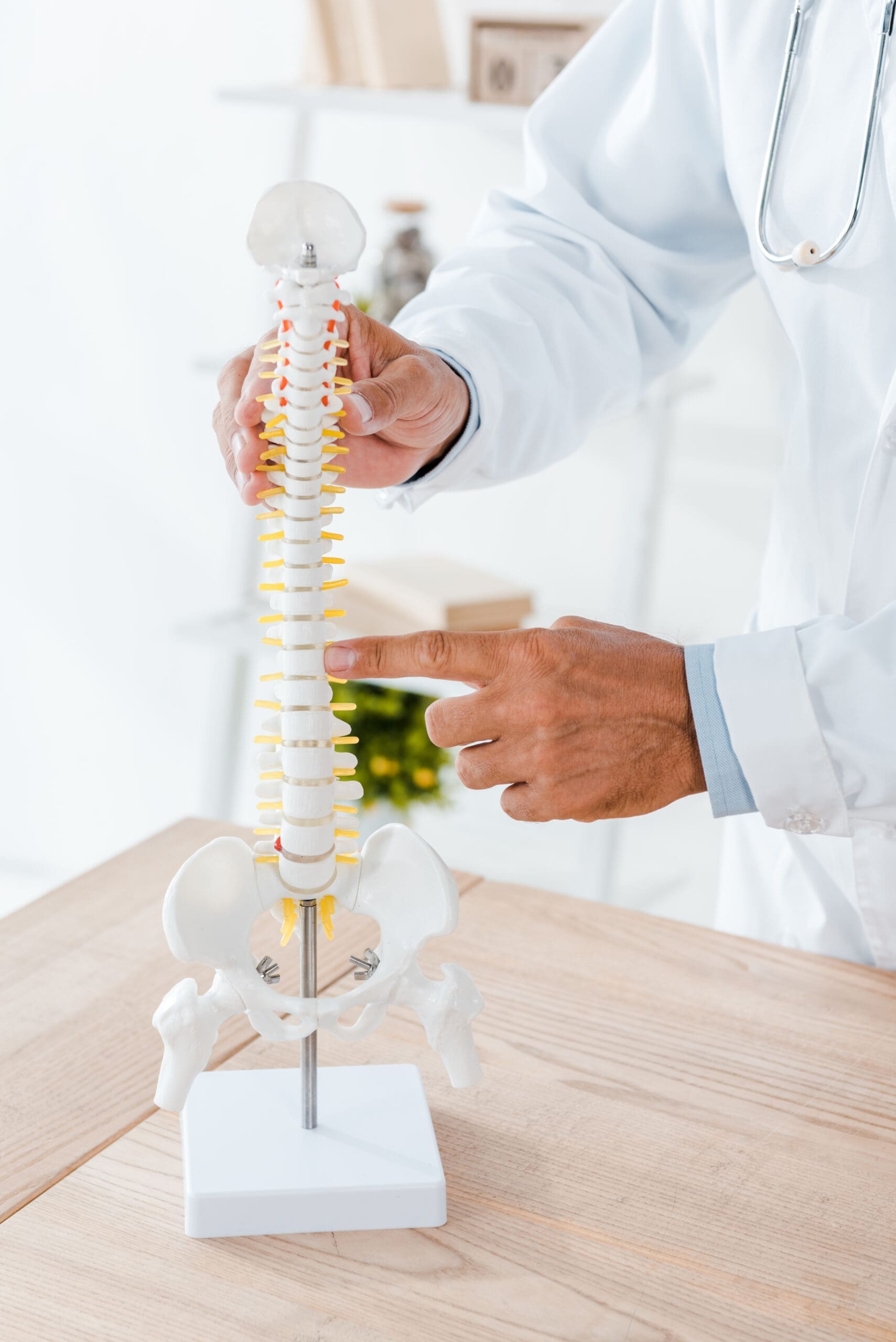
Why Choose Capital Spine & Pain Institute
Fellowship-Trained Neurosurgeon
Dr. Buchholz completed subspecialty training in spine and peripheral nerve surgery. This isn't a general orthopedic practice.
Conservative-First Philosophy
We prioritize non-surgical treatments first. If a splint or injection can provide long-term relief, that's the approach we'll recommend.
Nerve Study–Guided Diagnosis
EMG and nerve conduction studies confirm the diagnosis and severity before we recommend any procedure. No guessing.
Honest Evaluations
If surgery isn't the right answer for your situation, we'll tell you. We'd rather send you down the right path than schedule an operation that won't help.
What to expect week by week
Recovery varies, but here's how most patients progress.
Same Day
Go home. Rest.
Procedure done. Mild soreness at the injection site is normal. Skip driving — you'll need a ride.
24–48 Hours
Soreness fades.
Site soreness clears in a day or two. Some patients notice early pain improvement starting here.
1 Week
You should feel a difference.
Most patients see a meaningful reduction in neck and arm pain as the steroid reaches full effect.
Weeks–Months
Continued improvement.
Relief can last weeks to months. A second injection or PT can extend it further if needed.

Expert Spine Surgeon
Dr. Avery L. Buchholz is a board-certified neurosurgeon with fellowship training in complex spine surgery. With over 15 years of experience and 5,000+ procedures performed, he specializes in both minimally invasive and complex surgical techniques.
His expertise spans the full spectrum of spine care, from non-surgical interventions to advanced reconstructive procedures, always prioritizing patient safety and optimal outcomes.
Frequently Asked Questions
Get answers to common questions about our practice and procedures
What exactly is carpal tunnel release?
Picture the ligament across your wrist like a rubber band pressing on the nerve underneath. Surgery cuts that band so the nerve gets room to breathe again.
How long does the procedure take?
Fast. Twenty minutes, sometimes less.
Will I be awake during surgery?
You will, but you won't feel anything below the wrist; the local anesthetic takes care of that.
Is carpal tunnel release painful?
During the procedure, no. Over the next few days, however, you can expect some soreness around the incision, which is usually manageable with ibuprofen.
When can I go back to work?
It depends on what you do. Typing at a desk may take about a week. Swinging a hammer may take closer to a month or more.
Will the numbness go away right after surgery?
Not always overnight. Nerves heal slowly, so tingling can stick around for weeks before it fully fades.
Our Locations
Serving patients across VA
Falls Church, VA
431 Park Ave, Falls Church, VA 22046
Open
Get In Touch
Contact us today to schedule your consultation and take the first step toward relief.

Address
6244 Little River Turnpike, Suite 101
Alexandria, VA 22312

Phone
FAX
(571) 250-5150


Office Hours
Monday - Saturday: 9:00 AM - 6:00 PM
Sunday: Closed
This form is intended for scheduling purposes only and is not a HIPAA-compliant form. Please avoid sharing any sensitive medical information.
By submitting this form, you agree to be contacted regarding your inquiry.
Follow Us