
Advanced Spine Surgery in
Northern Virginia
When conservative care and minimally invasive options are no longer enough, advanced spine surgery offers a path forward. At Capital Spine and Pain Institute, Dr. Avery Buchholz brings fellowship-trained expertise in complex spinal reconstruction, deformity correction, and revision procedures to patients across Northern Virginia and the DC area.

Board Certified
Neurosurgeon

15+ Years
Experience

5000+
Procedures Performed
Get In Touch
Contact us today to schedule your consultation and take the first step toward relief.
This form is intended for scheduling purposes only and is not a HIPAA-compliant form. Please avoid sharing any sensitive medical information. By submitting this form, you agree to be contacted regarding your inquiry.
What Is Advanced Spine Surgery?
Complex spine surgery refers to a specialized range of surgical procedures that go beyond simple decompression, addressing challenges such as structural reconstruction, deformity correction, and revision of earlier spine surgeries. These advanced techniques focus on enhancing spinal alignment, stability, and overall structural integrity, making them necessary for patients facing progressive spinal deformities, unsuccessful previous operations, or conditions like scoliosis that impact the spine's configuration.
Such procedures demand a high level of expertise, thorough preoperative planning, and a surgeon with extensive experience across various spinal disorders. Not all spine surgeons have the qualifications for such complex operations. Dr. Buchholz is distinguished by his fellowship training in complex spine surgery, specifically targeting these intricate cases.
Prior to any surgical intervention, comprehensive imaging studies, including full-length spinal X-rays, MRI, and CT scans, are meticulously evaluated. Detailed planning is conducted for each surgical method, including implant dimensions and correction angles, tailored to your unique anatomical requirements.

Insurance Accepted

3 Core Procedures

Patient-Focused Care

Cash Pay Accepted
Advanced Procedures We Offer
Spinal Revision Surgery
Prior spine surgery that didn't achieve the intended result — or that led to new problems — often requires a revision procedure. This may involve removing or repositioning hardware, addressing a failed fusion, or correcting complications from a previous operation.
Spinal Deformity Surgery
Conditions like kyphosis, flatback syndrome, and adult spinal deformity can cause progressive pain, postural changes, and neurological symptoms. Deformity surgery restores the spine's natural alignment and balance, reducing pain and improving function.
Scoliosis Surgery
For patients with scoliosis whose curve has progressed beyond what conservative management can address, surgical correction can reduce the curvature, relieve nerve compression, and stabilize the spine long-term.
Conditions We Treat
Failed Back Surgery Syndrome
Persistent or recurrent pain following a prior spine procedure, often requiring revision or reconstruction.
Adult Spinal Deformity
Progressive loss of spinal alignment in adults, leading to pain, imbalance, and difficulty standing upright.
Degenerative Scoliosis
A spinal curve that develops or worsens in adulthood due to asymmetric disc and joint degeneration.
Idiopathic Scoliosis
A lateral spinal curvature without a clearly identified cause, commonly diagnosed in adolescence but often managed into adulthood.
Kyphosis
An exaggerated forward rounding of the upper or thoracolumbar spine that can impair posture and compress neural structures.
Flatback Syndrome
Loss of normal lumbar lordosis often a complication of prior fusion that causes forward lean and significant discomfort.
When Is Advanced Spine Surgery the Right Choice?
The LMBB sidesteps that problem entirely. It gives us a physiological answer — your body's actual response — rather than a visual one. That answer also determines whether radiofrequency ablation makes sense for you. Without a confirmed positive LMBB result, RFA isn't indicated.
The patients most likely to benefit from advanced surgical procedures are those who present with:
- A confirmed structural abnormality (such as deformity, failed fusion, or complications from hardware) diagnosed via MRI, CT, or standing X-rays.
- Symptoms that can be directly linked to that structural issue.
- A lack of sustained improvement from appropriate non-surgical treatments.
- An overall health condition that qualifies them as suitable candidates for surgery.
Advanced surgery is not appropriate for all patients, as they may require different alternatives. All these factors, like quality of bones, previous history of surgery, general medical condition of the patient, and severity of deformity, help in deciding. Following a detailed review of your imaging and clinical history, your surgeon will offer an honest recommendation based upon your particular anatomy. They won’t provide a one-size-fits-all recommendation.
Key Benefits of Advanced Spine Surgery (When Indicated)
Fixing the Core Structural Issue
We target the root cause, not just the symptoms, with advanced spine surgery. The aim is durable structural correction, be it for restoring spinal alignment, removing failed hardware, or stabilizing a collapsing segment.
Chronic Pain Relief Avaliable Here
Some patients who suffered from chronic pain, despite a previous surgery or conservative care, find excellent and meaningful relief when the true structural issue is addressed.
Enhanced Spinal Balance and Posture
A patient’s ability to stand and walk comfortably can be improved significantly once deformity correction surgery has restored the normal alignment of the spine, relieving the muscles from straining in compensation for an imbalanced spine.
Preventing Further Deterioration.
Without treatment, certain conditions will get worse with time, including those involving progressive deformities and adjacent segment disease. Surgical stabilization stops injury progression and protects nerves.
Individualized Surgical Planning
Every advanced case is planned from the patient's specific imaging not a template. Approach angles, implant selection, osteotomy type, and correction strategy are all mapped before the day of surgery.
How the Procedure Works
The specific steps vary by procedure. The sequence below reflects the general approach for advanced spine surgery cases.
01
Pre-Operative Imaging & Planning
Before anything else, your full imaging workup is reviewed including MRI, CT scan, and standing, full-length X-rays, where relevant. Spinal balance parameters, curve measurements, and segmental anatomy are analyzed to plan every aspect of the procedure in advance. Implant sizing, approach strategy, and correction goals are all determined before the day of surgery.
02
Anesthesia
Advanced spine procedures are performed under general anesthesia. Your anesthesiology team will review your medical history and walk through the anesthetic plan with you before surgery. Neurophysiological monitoring (nerve monitoring) is used during most advanced cases to provide real-time feedback on spinal cord and nerve root function throughout the procedure.
03
The method chosen for the surgical procedure
Whether it involves revision surgery, correction of deformities, or treatment of scoliosis—may involve approaches from the posterior, anterior, lateral, or a combination of these directions. The specific method is determined by the anatomical considerations and the objectives of correction, rather than solely based on the surgeon's personal preferences.
04
Correction, Decompression, and Instrumentation
The essential surgical tasks are carried out, which include the removal of ineffective or improperly positioned hardware, performing osteotomies to rectify deformities, relieving nerve compression, and placing instrumentation to ensure stability and maintain the corrected alignment. In cases involving fusion, bone graft material is applied to support the biological fusion process in the ensuing months.
05
Closure
Incisions are meticulously closed in layers. For more extensive or complicated procedures, temporary drains may be utilized to control fluid accumulation. In advanced cases, wound care is critically important, given the larger incisions and the need for careful healing management.
06
Hospital Stay and Discharge Planning
Patients typically require a hospital stay of two to four days following advanced spine surgery, with the possibility of extended stays depending on the complexity of the procedure and the patient's overall condition. Discharge planning—including referrals for physical therapy, coordination of home care, and scheduling follow-up appointments—initiates prior to the patient's departure from the facility.
Ready to find out what's actually causing your back pain?
Schedule a consultation with our Northern Virginia spine specialist. We'll start with a thorough review and take it from there.
What to Expect Week by Week
Recovery from advanced spine surgery is longer and more gradual than routine procedures. The timeline below reflects a typical progression your surgeon will give you specific guidance based on your procedure.
Days 1–3
Hospital
Pain is managed with medication. You will begin standing and walking with assistance on the first or second day after surgery. Neurological function is monitored closely.
Week 1–2
Early Home Recovery
Return home with clear instructions on activity restrictions, wound care, and medications. Short walking is encouraged; bending, twisting, and lifting are restricted. Pain and fatigue are expected and normal.
Weeks 3–6
Gradual Increase
Physical therapy typically begins during this phase. Most patients notice improvement in their original symptoms. Activity restrictions are gradually relaxed as healing progresses.
Months 2–4
Strengthening
Core strengthening, posture training, and endurance building become the focus of physical therapy. Follow-up imaging is obtained to assess early fusion progress.
Months 4–12
Fusion Maturation
Bone fusion continues to mature. Most patients achieve the majority of their functional recovery within this window. Final imaging at 6–12 months confirms solid fusion and alignment maintenance.
Why Choose Capital Spine and Pain Institute for Advanced Surgery?
Dr. Avery Buchholz is a board-certified neurosurgeon with fellowship training in complex spine surgery and 15+ years of experience performing 5,000+ procedures. From your first consultation to full recovery, you receive honest guidance, individualized surgical planning, and the specialized expertise that complex spinal conditions demand.
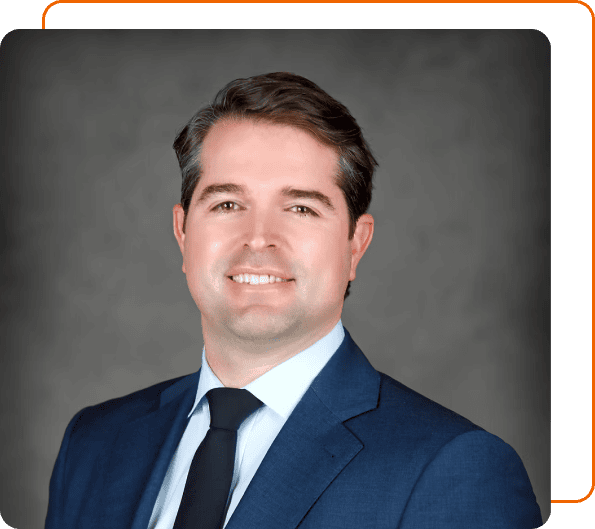
Expert Spine Surgeon
Dr. Avery L. Buchholz is a board-certified neurosurgeon with fellowship training in complex spine surgery. With over 15 years of experience and 5,000+ procedures performed, he specializes in both minimally invasive and complex surgical techniques.
His expertise spans the full spectrum of spine care, from non-surgical interventions to advanced reconstructive procedures, always prioritizing patient safety and optimal outcomes.
Frequently Asked Questions
Get answers to common questions about our practice and procedures
What makes advanced spine surgery different from minimally invasive procedures?
Minimally invasive procedures typically aim to apply targeted decompression, removing pressure from a nerve via a small incision with minimal disruption. Advanced spine surgery addresses major structural problems: correcting the deformity, revising failed prior surgery, and reconstructing segments of the spine. When the surgery is complicated, due to disease or other reasons, these operations require more planning, more time to execute, and more recovery.
How do I know if I need advanced surgery rather than a simpler procedure?
That determination is based on your imaging and your history. Patients who are candidates for advanced surgery typically have a clearly identified structural problem—progressive deformity, a failed fusion, or a curve that has reached a surgical threshold—that cannot be adequately addressed through decompression alone. A consultation and imaging review will clarify which category your condition falls into.
What is the recovery timeline for advanced spine surgery?
Recovery varies significantly depending on the procedure. Revision or deformity cases involving instrumentation and fusion require a longer healing period than standard decompressions. Most patients begin to notice meaningful symptom improvement within the first few weeks, but bone healing and full consolidation of a fusion can take three to six months or longer.
Will my insurance cover advanced spine surgery?
Coverage depends on your diagnosis, your insurance plan, and documentation showing appropriate prior treatment. Most major insurers do cover medically necessary spine surgery when the right criteria are met. Our team manages the prior authorization process and will work through the specifics of your coverage with you.
How is the surgical plan developed?
Your case is reviewed using full-length spinal X-rays, MRI, and CT imaging as appropriate for your condition. Correction angles, implant selection, and approach strategy are planned before you arrive at the surgical facility.
Our Locations
Serving patients across VA
Falls Church, VA
431 Park Ave, Falls Church, VA 22046
Open
Get In Touch
Contact us today to schedule your consultation and take the first step toward relief.

Address
6244 Little River Turnpike, Suite 101
Alexandria, VA 22312

Phone
FAX
(571) 250-5150


Office Hours
Monday - Saturday: 9:00 AM - 6:00 PM
Sunday: Closed
This form is intended for scheduling purposes only and is not a HIPAA-compliant form. Please avoid sharing any sensitive medical information.
By submitting this form, you agree to be contacted regarding your inquiry.
Follow Us