Scoliosis Surgery
Surgery to straighten an abnormal spinal curve, stabilize the spine, and relieve the pain or nerve symptoms it's causing.

Board Certified
Neurosurgeon

15+ Years
Experience

5000+
Procedures Performed
Get In Touch
Contact us today to schedule your consultation and take the first step toward relief.
"*" indicates required fields
This form is intended for scheduling purposes only and is not a HIPAA-compliant form. Please avoid sharing any sensitive medical information. By submitting, you consent to being contacted using the information provided.
What Is Scoliosis Surgery?
This is a type of spinal deformity surgery specifically used to correct a sideways curvature of the spine called scoliosis. This condition can cause uneven posture, back pain, and in some cases, breathing difficulties.
During the procedure, the surgeon straightens the spine as much as possible and stabilizes it using rods, screws, and bone graft to allow the bones to fuse over time. Imaging such as X-rays and MRI are used before surgery to guide correction. The goal is to improve spinal alignment, reduce pain, and prevent the curve from worsening. Recovery depends on the severity of the curve and the extent of surgery, and your doctor will guide your return to normal activities.

30 Minutes

Same Day Procedure

General Anesthesia

2-6 Weeks Recovery
Who This Helps
Who Is a Candidate
Scoliosis surgery isn't the first step for most patients — it's considered when the curve has crossed a threshold or conservative care has run its course. Here's what typically determines candidacy. Dr. Buchholz confirms after reviewing your imaging.
Significant curve magnitude
Generally a Cobb angle above 45-50 degrees, or a smaller curve that's clearly progressing year over year.
Documented curve progression
Serial X-rays showing the curve is getting worse, not stable.
Conservative treatment hasn't worked
Bracing, physical therapy, or injections haven't controlled symptoms or progression.
Nerve or function-limiting symptoms
Leg pain, numbness, weakness, or breathing difficulty tied directly to the curve.
Adequate bone health
Bone density sufficient to hold screws and support fusion. This is checked carefully, especially in older adults.
TAKE THE NEXT STEP
Ready to find out if scoliosis surgery is right for your spine?
Schedule a consultation with Dr. Buchholz — a Northern Virginia spine deformity specialist. He'll review your imaging and give you a straight answer. No runaround.
WHY IT MATTERS
How the Procedure Works
01
Imaging and Surgical Planning
Detailed X-rays and MRI/CT mapping determine exactly which levels need correction and where each screw will go.
02
Incision and Exposure
An incision is made along the back (or occasionally the side) to access the affected vertebrae.
03
Screw and Rod Placement
Screws are placed into the vertebrae at each level being corrected, then connected with rods bent to the planned corrected curve.
04
Curve Correction
The rods are used to gradually pull the spine into the corrected alignment.
05
Bone Grafting and Fusion
Bone graft material is packed along the construct so the treated vertebrae fuse into one solid segment over the following months.
06
Closure and Hospital Recovery
The incision is closed, and you're moved to a hospital room for monitored recovery over several days.
Benefits of Scoliosis Surgery at Capital Spine & Pain Institute
Curve Correction
The spine is straightened toward a balanced alignment, reducing the abnormal stress that drives pain and progression.
Progression Stopped
Once fused, the corrected segment cannot continue curving. This is permanent.
Nerve Symptoms Relieved
Leg pain, numbness, or weakness from nerve compression typically improve once the deformity is corrected and pressure is off the nerve.
Improved Posture and Function
Many patients stand taller and move more easily once chronic curve-related pain and imbalance are addressed.
What This Treats
Adolescent Idiopathic Scoliosis
Progressive curve diagnosed in childhood or the teen years that bracing hasn't controlled
Adult Degenerative Scoliosis
Curve that develops later in life from disc and joint breakdown
Severe Spinal Curvature
Curves typically beyond 45-50 degrees, or progressing despite treatment
Scoliosis with Nerve Compression
Curvature pinching a nerve and causing leg pain, numbness, or weakness
Scoliosis-Related Back Pain
Chronic pain from imbalance and abnormal loading on the spine

What to expect week by week
Recovery varies, but here's how most patients progress.
Same Day
Go home. Rest.
Procedure done. Mild soreness at the injection site is normal. Skip driving — you'll need a ride.
24–48 Hours
Soreness fades.
Site soreness clears in a day or two. Some patients notice early pain improvement starting here.
1 Week
You should feel a difference.
Most patients see a meaningful reduction in neck and arm pain as the steroid reaches full effect.
Weeks–Months
Continued improvement.
Relief can last weeks to months. A second injection or PT can extend it further if needed.
Why Choose Capital Spine & Pain Institute
Dr. Buchholz Does the Surgery Himself
Board-certified neurosurgeon, fellowship-trained in complex spine surgery. You're not handed off to a resident or assistant.
Surgery Only When It Makes Sense
The evaluation comes first. Dr. Buchholz is direct about what your imaging shows and what your real options are.
Detailed Imaging Before Every Case
Deformity correction surgery is planned around your specific curve, not a standard template.
Spine Deformity Experience
Fellowship training in complex spine surgery, including multi-level deformity correction.
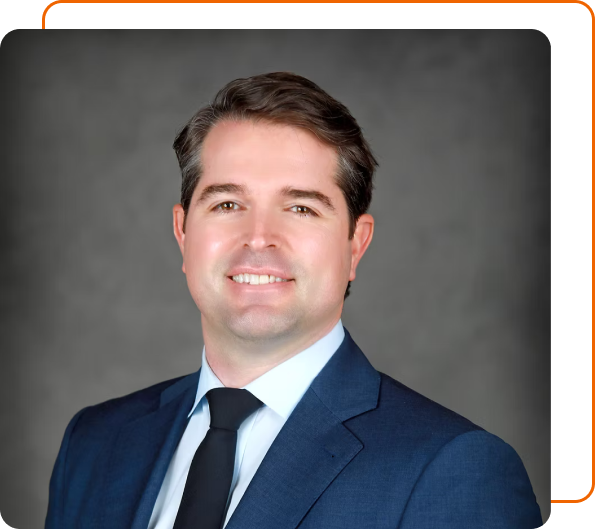
Expert Spine Surgeon
Dr. Avery L. Buchholz is a board-certified neurosurgeon with fellowship training in complex spine surgery. With over 15 years of experience and 5,000+ procedures performed, he specializes in both minimally invasive and complex surgical techniques.
His expertise spans the full spectrum of spine care, from non-surgical interventions to advanced reconstructive procedures, always prioritizing patient safety and optimal outcomes.
Frequently Asked Questions
Get answers to common questions about our practice and procedures
At what curve degree is scoliosis surgery necessary?
Surgery is generally considered once a curve passes 45-50 degrees or is clearly progressing despite bracing or therapy. Dr. Buchholz will give you a specific assessment based on your X-rays.
How long is recovery from scoliosis surgery?
Hospital stay is typically 3-5 days. Most patients return to a desk job within 1-3 months. Full fusion and activity clearance take 6-12 months.
Is scoliosis surgery the same as spinal fusion?
Scoliosis surgery uses spinal fusion as the technique — screws, rods, and bone graft are used to correct and permanently stabilize the curve.
Can adults get scoliosis surgery, or is it only for teens?
Both. Adolescent idiopathic scoliosis and adult degenerative scoliosis are both treated surgically when the criteria are met. The evaluation and goals differ between the two.
What are the risks of scoliosis surgery?
As with any major spine surgery, risks include infection, bleeding, and hardware-related issues. Dr. Buchholz will walk through your specific risk profile based on your health and the extent of surgery needed.
Will I be shorter or taller after scoliosis surgery?
Most patients gain height as the curve straightens, since a curved spine measures shorter than a straight one along the same vertebrae.
Do I need a brace after surgery?
Not always. Some patients wear a brace temporarily for support; Dr. Buchholz will tell you before you leave the hospital if one is needed.
Our Locations
Serving patients across VA and the DC area
Falls Church, VA
6400 Arlington Blvd, Suite 710
Open
Alexandria, VA
6244A Little River Turnpike
Open
Richmond, VA
Address coming soon
Opening Soon
Charlottesville, VA
Address coming soon
Opening Soon
Washington, DC
Address coming soon
Opening Soon
Get In Touch
Contact us today to schedule your consultation and take the first step toward relief.

Address
6244 Little River Turnpike, Suite 101
Alexandria, VA 22312

Phone
FAX


Office Hours
Monday - Friday: 9:00 AM - 6:00 PM
Saturday: 9:00 AM - 6:00 PM
Sunday: Closed
This form is intended for scheduling purposes only and is not a HIPAA-compliant form. Please avoid sharing any sensitive medical information.
By submitting, you consent to being contacted using the information provided.
Follow Us