
Spinal Revision Surgery in
Virginia & DC
A first surgery does not always stop pain. Some patients will continue to exhibit symptoms, while others may develop new symptoms. Spinal revision surgery entails addressing gaps in the prior surgery or completing it when new or persistent problems arise. Dr. Avery Buchholz performs revision surgery on patients in Northern Virginia and Washington, D.C.

Board Certified
Neurosurgeon

15+ Years
Experience

5000+
Procedures Performed
Get In Touch
Contact us today to schedule your consultation and take the first step toward relief.
This form is intended for scheduling purposes only and is not a HIPAA-compliant form. Please avoid sharing any sensitive medical information. By submitting this form, you agree to be contacted regarding your inquiry.
What Is Spinal Revision Surgery?
A spinal revision surgery is performed after another similar surgery has already taken place. It addresses problems that emerge when the initial surgery fails to relieve the pain, does not heal as intended, or places added stress on adjacent spinal segments.
These cases are complex. Scar tissue and existing hardware make a revision more demanding than a primary procedure. You need a surgeon who manages difficult cases. (Well, that would be us then!)

30 Minutes

Same Day Procedure

General Anesthesia

2-6 Weeks Recovery
What This Procedure Treats
Nerve compression and structural failure don't always announce themselves clearly after a spine surgery. For some patients, the original pain never fully went away. For others, new symptoms show up months or years later. Spinal revision surgery is designed to address these problems:
01
Persistent Pain After a Prior Spine Surgery
Pain that never fully resolves following a discectomy, laminectomy, or fusion. This may indicate incomplete decompression, a missed pain source, or scar tissue compressing a nerve at the original surgical site.
02
Adjacent Segment Disease
When one level of the spine is fused, the levels above and below take up more movement and stress. Over time, this may lead to faster degeneration of adjacent spinal levels, resulting in pain, stiffness, or nerve symptoms that were not present before the original surgery.
03
Hardware Failure or Migration
Rods, screws, and cages used in a prior fusion can loosen, break, or shift position. When hardware fails, it can cause pain at the implant site, instability, or renewed nerve compression. Imaging usually shows the problem clearly.
04
Failed Fusion (Pseudarthrosis)
A spinal fusion that didn't successfully fuse, called pseudarthrosis, leaves the vertebral segment unstable. Patients often feel a deep, mechanical ache that worsens with activity and doesn't improve with rest or conservative care.
05
Recurrent Disc Herniation
A disc can re-herniate at the same level that was previously treated, sending pain and numbness back down the same nerve pathway. This is one of the more common reasons patients return for revision surgery after a microdiscectomy.
06
Post-Surgical Scar Tissue (Epidural Fibrosis)
Scar tissue that forms around the spinal nerves after surgery can create its own form of compression. The pain pattern is similar to the original nerve symptoms but tends to be more constant rather than positional.
Ready to Talk About Your Lower Back Pain?
Schedule a consultation with Dr. Avery Buchholz at Capital Spine & Pain Institute. We'll review your imaging and go from there.
When Patients Become Candidates
Revision surgery is not something we recommend lightly. The evaluation process is thorough, and surgery is only considered when a clear, correctable cause has been identified through imaging and clinical evaluation.
Pain That Never Fully Resolves After Surgery
If your original procedure left you with unchanged or worsened symptoms, that's the clearest signal that something was missed. Persistent post-surgical pain with no period of real improvement warrants a full re-evaluation.
New Neurological Symptoms Have Developed
Weakness, numbness, or changes in bowel or bladder function that weren't present before, or that appeared after an initial period of recovery, need to be investigated. New nerve symptoms after spine surgery are never normal and should not be waited out.
Imaging Confirms a Structural Problem
MRI or CT showing hardware loosening, recurrent disc herniation, failed fusion, or adjacent segment breakdown gives us something specific to address. We don't recommend revision surgery without imaging that confirms a correctable cause.
Conservative Care Has Not Helped
Physical therapy, injections, and pain management are tried first. Surgery comes up only when those approaches have been given a fair chance and haven't produced meaningful or lasting improvement.
Key Benefits
Pain That Was Never Resolved Finally Gets Addressed
For patients whose first surgery left them with unchanged or worsened symptoms, revision surgery targeting the actual source of pain can produce meaningful relief that the original procedure didn't.
Nerve Symptoms Improve
When the revision corrects ongoing nerve compression, many patients see gradual improvement in neurological symptoms. How much improvement depends on how long the nerve has been under pressure and the degree of damage already present.
Spinal Stability Is Restored
For cases involving failed fusion or hardware failure, revision surgery stabilizes the affected segments — reducing the mechanical pain and instability that makes movement difficult.
Stops Progressive Deterioration
Left unaddressed, problems like adjacent segment disease, hardware loosening, or pseudarthrosis tend to worsen over time. Revision surgery addresses the structural problem before it causes further damage to surrounding levels.
Return to Daily Function
The goal of revision surgery is to give patients their life back, being able to work, sleep without pain, and move through daily activities without medication being the only thing making it possible.
How It Works
Revision surgery is never a copy of the first procedure. Every case starts by identifying exactly what failed, and why. The plan is built from there.
Comprehensive Evaluation
We review your full surgical history, prior operative reports, and current imaging, MRI, CT, or X-ray, to pinpoint exactly where the problem is and what is causing your symptoms.
Personalized Surgical Plan
Dr. Buchholz designs a surgical approach based on your anatomy, any existing hardware, the extent of scar tissue, and your specific recovery goals. No two revision plans are alike.
Targeted Correction
The surgery addresses the confirmed source of failure, whether that means revising or replacing hardware, completing an incomplete fusion, re-decompressing a nerve, or stabilizing an unstable segment.
Guided Recovery
A structured rehabilitation plan supports healing after surgery. Recovery from revision procedures typically takes longer than a primary surgery, so we set realistic expectations from the start.

WHY CHOOSE US
Capital Spine & Pain Institute
Revision surgery rewards experience. It punishes guesswork. Scar tissue, altered anatomy, and existing hardware make these cases significantly more demanding than a primary spine procedure — which is why who performs the surgery matters a great deal.
Specialized neurosurgical expertise.
Dr. Buchholz is a board-certified neurosurgeon who handles complex revision cases—not a general orthopedic surgeon dividing his time between hips, knees, and backs.
Accurate diagnosis before anything else.
We identify the specific cause of failure through imaging and clinical review before recommending an operation. We don't revise without a clear target.
Minimally invasive techniques when appropriate.
Smaller incisions mean less tissue disruption- important in cases where scar tissue is already a factor from the prior surgery.
Honest patient evaluations.
If revision surgery isn't what you need, or if you're not a surgical candidate, we'll tell you directly and help you find the right next step.
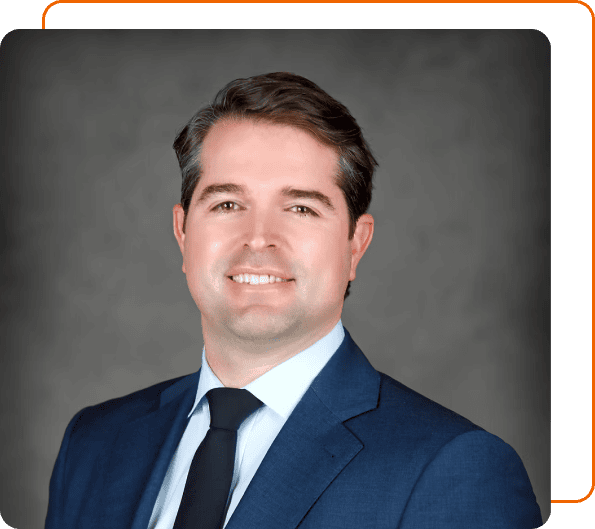
Expert Spine Surgeon
Dr. Avery L. Buchholz is a board-certified neurosurgeon with fellowship training in complex spine surgery. With over 15 years of experience and 5,000+ procedures performed, he specializes in both minimally invasive and complex surgical techniques.
His expertise spans the full spectrum of spine care, from non-surgical interventions to advanced reconstructive procedures, always prioritizing patient safety and optimal outcomes.
Frequently Asked Questions
Get answers to common questions about our practice and procedures
Is there a greater risk involved in spinal revision surgery compared to that of the first surgery?
Affirmative. The presence of scar tissue and altered anatomy complicates surgical procedures. Through appropriate planning, a specialist surgeon reduces these risks.
How Can I Know If My Initial Surgery Was A Failure?
Constant pain or new muscle weakness may signal a problem. An imaging test determines if you are a revision candidate.
How long does it take to recover from revision spine surgery?
The recovery differs depending on the procedure. Patients often follow a rehabilitation plan over several weeks.
Can Revision Surgery Be Less Invasive?
Most often, it is. When the condition allows, Dr. Buchholz performs minimally invasive techniques.
Will a revision procedure take away my pain?
Many patients find great relief with revision surgeries. Several factors must be considered to determine treatment options.
Our Locations
Serving patients across VA
Falls Church, VA
431 Park Ave, Falls Church, VA 22046
Open
Get In Touch
Contact us today to schedule your consultation and take the first step toward relief.

Address
6244 Little River Turnpike, Suite 101
Alexandria, VA 22312

Phone
FAX
(571) 250-5150


Office Hours
Monday - Saturday: 9:00 AM - 6:00 PM
Sunday: Closed
This form is intended for scheduling purposes only and is not a HIPAA-compliant form. Please avoid sharing any sensitive medical information.
By submitting this form, you agree to be contacted regarding your inquiry.
Follow Us