
SI Joint Fusion in Northern Virginia
Targeted, minimally invasive stabilization of the sacroiliac joint — helping patients across Northern Virginia finally get lasting relief from chronic lower back, buttock, and hip pain.

Board Certified
Neurosurgeon

15+ Years
Experience

5000+
Procedures Performed
Get In Touch
Contact us today to schedule your consultation and take the first step toward relief.
This form is intended for scheduling purposes only and is not a HIPAA-compliant form. Please avoid sharing any sensitive medical information. By submitting this form, you agree to be contacted regarding your inquiry.
The Procedure
What Is SI Joint Fusion?
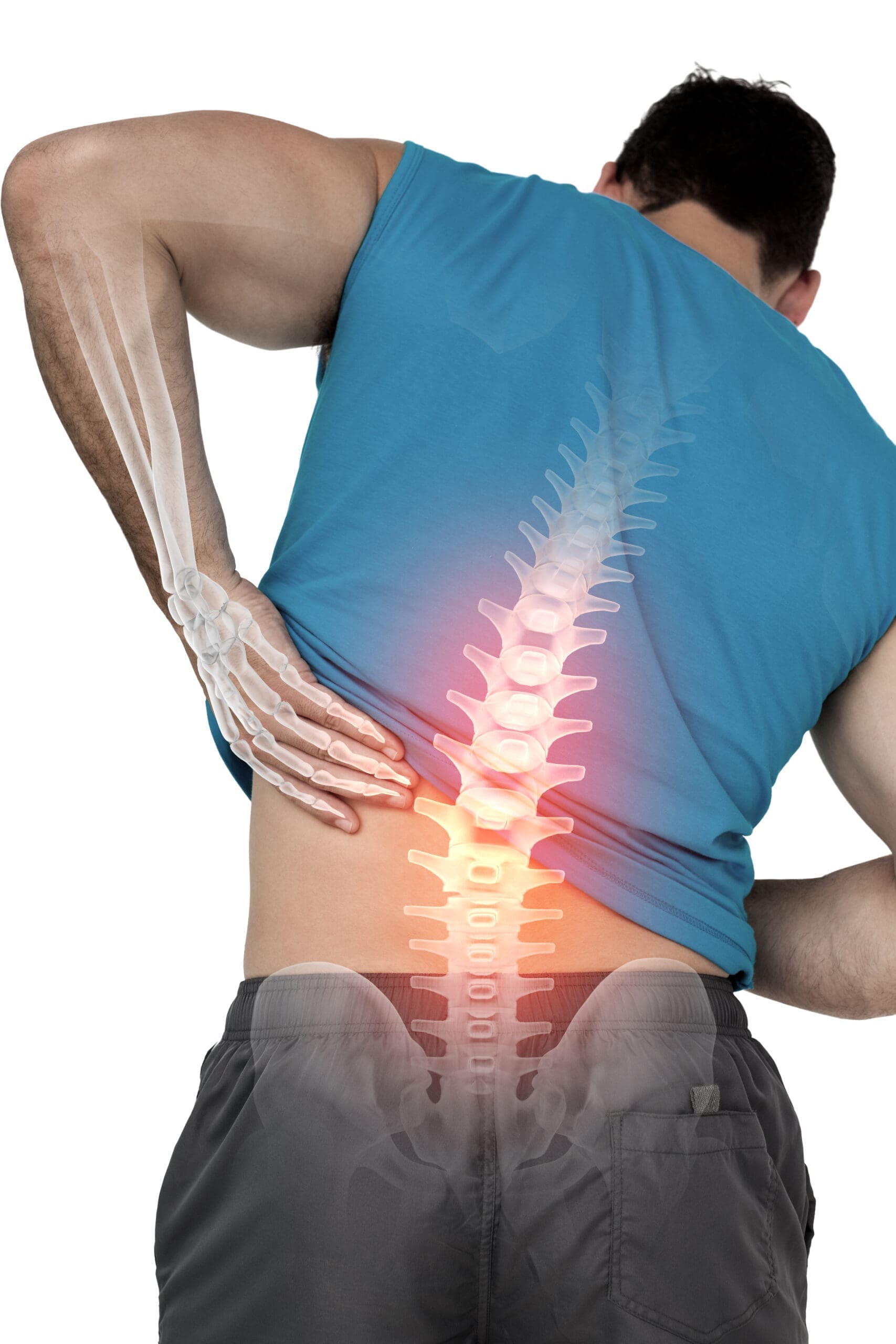
This procedure is performed to treat pain coming from the sacroiliac (SI) joint — the joint that connects your spine to your pelvis. When this joint becomes inflamed or mechanically unstable, it can generate stubborn pain in the lower back, buttock, or hip that doesn't respond well to rest or conservative care alone.
During the procedure, small implants are placed under live X-ray guidance (fluoroscopy) to stabilize the joint and limit the painful micro-movement driving your symptoms. The approach is minimally invasive, meaning a very small incision and careful tissue handling — so your surrounding muscles stay largely intact.
The goal is straightforward: reduce pain, restore stability, and improve your day-to-day function. The procedure takes approximately 30 minutes, and you go home the same day. At Capital Spine & Pain Institute, we perform this procedure for patients throughout Northern Virginia — including Falls Church, Alexandria, and the greater DC metro area.

30 Minutes

Same Day Procedure

General Anesthesia

2-6 Weeks Recovery
Conditions Treated
What This Procedure Treats
SI joint dysfunction is frequently underdiagnosed. Many patients in Falls Church, Alexandria, and surrounding Northern Virginia communities have spent months — sometimes years — searching for answers before the SI joint is identified as the source of their pain. This procedure addresses:
Primary
SI Joint Dysfunction
Painful instability or inflammation of the sacroiliac joint causes chronic axial back pain.
Common
Sacroiliac Joint Pain
Deep, aching pain at the base of the spine that radiates into the buttocks and upper thigh.
Common
Postpartum SI Pain
Ligamentous laxity and joint instability can persist after pregnancy and childbirth.
Common
Degenerative Sacroiliitis
Age-related wear of the SI joint surfaces leads to progressive inflammation and discomfort.
Common
Pelvic Instability
Excessive motion across the SI joint after trauma, fracture, or prior lumbar fusion surgery.
Common
Failed Conservative Care
Ongoing pain despite physical therapy, injections, and anti-inflammatory medications.
How the Procedure Works
The technique is precise and methodical. Here is what happens during your procedure from start to finish:

Anesthesia & Positioning
You receive anesthesia so you remain comfortable throughout. You are positioned carefully to give the surgeon clear access to the SI joint from a small lateral approach.

Small
Incision
A minimal incision — typically less than an inch — is made over the lateral pelvis. This keeps tissue disruption low and supports a faster recovery compared to open surgery.

Fluoroscopic Guidance
Live X-ray (fluoroscopy) is used throughout to precisely confirm implant trajectory and placement in real time, maximizing accuracy and safety.

Implant Placement
Small, triangular titanium implants are advanced across the SI joint. Their textured surface promotes bone ingrowth over time, creating lasting biological fixation.

Closure & Recovery Area
The incision is closed with sutures. You move to a recovery area for monitoring and, once stable, are discharged home — typically the same day as the procedure.
Key Benefits

Pain Relief That Works.
When we can directly stabilize your pain source, most patients notice a significant lessening of lower back and buttock symptoms.

Minimally Invasive
Slight cut, little muscle disturbance, no noteworthy bone extraction helping to ease soreness and speed up the comeback to movement.

Fast Return to Daily Life
Desk-job patients across Northern Virginia are often back at work within 3–5 days, recovering in the comfort of their own home.

Image-Guided Precision
Real-time fluoroscopy throughout the procedure ensures implants are placed exactly where they need to be.

Improved Stability
Reducing painful micro-motion at the joint lets you walk, sit, and move more comfortably day to day.
Recovery Timeline
Every patient's path is a little different, but here is a general sense of what recovery looks like after SI joint fusion:
Day of Procedure
Same-Day Discharge
After a short period of monitoring in the recovery area, you go home with instructions for rest, activity modification, and wound care. Most patients walk out with minimal assistance.
Days 3–5
Return to Desk Work
If you have a sedentary or desk-based job, many patients — including those commuting to Washington, DC from Falls Church or Alexandria — feel ready to return within 3 to 5 days.
Weeks 2–6
Gradual Resumption of Activity
Light walking is encouraged early on. Over the following weeks, you will progressively add more activity as tolerated. Your surgeon will guide you on what is appropriate at each stage.
Months 3–6
Fusion & Full Recovery
Bone ingrowth into the implants continues over several months. Most patients experience continued improvement as the fusion matures and pain settles further.

Expert Spine Surgeon
Dr. Avery L. Buchholz is a board-certified neurosurgeon with fellowship training in complex spine surgery. With over 15 years of experience and 5,000+ procedures performed, he specializes in both minimally invasive and complex surgical techniques.
His expertise spans the full spectrum of spine care, from non-surgical interventions to advanced reconstructive procedures, always prioritizing patient safety and optimal outcomes.
Frequently Asked Questions
Here are some of the questions patients most commonly ask us about SI joint fusion before scheduling their consultation in Northern Virginia
What is SI joint fusion, and how does it work?
SI joint fusion is a minimally invasive treatment that helps stabilize the joint between your spine and pelvis. With the use of live X-ray guidance, small titanium pieces are inserted through a small opening into the joint, which only allows limited movement of the joint. Eventually, your own bone fuses with the implants, resulting in permanent and stable integration. The entire process takes approximately 30 minutes and is done the same day.
Will this procedure be beneficial for me?
Patients with confirmed SI joint dysfunction (usually by diagnostic injection) who have not had long-term improvement with conservative treatments such as physical therapy, anti-inflammatory medications or steroid injections are good candidates for the procedure. Your surgeon will examine your imaging and symptoms, as well as your treatment history, to decide if SI joint fusion is the next step for you.
What is the recovery time after SI joint fusion?
In most desk jobs, patients are back to work in 3-5 days back to work. Some walking is encouraged immediately. As the weeks went on, it became more and more active. Full fusion (where your bone joins with the implants) generally takes place within 3 to 6 months. Patients who have physically demanding occupations will have a longer, individualized program to return to work, discussed with their surgeon.
Does it hurt? How will recovery be at home?
Minimal pain around the incision site and hip is normal for the first few days and can be controlled with medication. This is a discomfort that most patients can control. You will be discharged the same day, with wound care, activity and pain management instructions. Most patients have a good range of movement and are feeling some relief from their SI joint pain after the first week.
Do I need to be admitted to the hospital for an overnight stay?
No. SI joint fusion is carried out as an outpatient procedure, so you'll be discharged home the very same day. Following a few hours in the recovery room as the effects of anesthesia fade, you will be discharged with a responsible adult who can drive you home. In most cases, there is no need for an overnight stay in the hospital.
How does it affect me if I do not treat my SI joint pain?
If left untreated, SI joint dysfunction doesn't usually improve and can get worse over time. Chronic pain can reduce your mobility, disrupt your sleep, and cause you to walk and/or stand differently, causing secondary issues in the hip, knees and spine. Once all the conservative treatments have been tried, and the diagnosis has been confirmed by an injection, it is better to treat the SI joint early than later.
Our Locations
Serving patients across VA
Falls Church, VA
431 Park Ave, Falls Church, VA 22046
Open
Get In Touch
Contact us today to schedule your consultation and take the first step toward relief.

Address
6244 Little River Turnpike, Suite 101
Alexandria, VA 22312

Phone
FAX
(571) 250-5150


Office Hours
Monday - Saturday: 9:00 AM - 6:00 PM
Sunday: Closed
This form is intended for scheduling purposes only and is not a HIPAA-compliant form. Please avoid sharing any sensitive medical information.
By submitting this form, you agree to be contacted regarding your inquiry.
Follow Us